

For support and service of your machinery, Stiles has experts available 24/7 to help reduce downtime and get you back in action.
Technical Support: 616-698-6615
Service & Repairs: 616-698-7500
24/7 Parts: 1-800-727-8780
sale@inlandmachineokc.com
Parts are available from Stiles 24 hours a day, seven days a week, and are shipped from our Grand Rapids, Michigan fulfillment center.
24/7 Parts: 800-727-8780

With a customized Stiles University course, we can provide expert training for your team, on-location. Whether it's programming, operation or maintenance, we want to help you train your personnel to meet your production goals efficiently and effectively.

Experience the trusted workforce development training and machinery knowledge you rely on from Stiles University, now at your convenience. With technology changing every day and new methods being developed constantly, Stiles University Online has the latest information and training content available at your fingertips.
616-698-7500

Do you want to produce more efficiently? Processes and flows are key. We optimize these together with you, re-organize them and make sure that you reduce your lead time and save costs. This enables you to implement customized manufacturing and achieve your business goals.

Industrialized construction is evolving. Automation, robotics and advanced technology are raising the level of productivity, efficiency and precision for builders in North America.

Stiles Machinery is at the forefront of providing technology and machining for producing high quality mass timber. Automated solutions for your mass timber production can increase your manufacturing quality and productivity.

Project management services from Stiles make it easy to streamline your entire project— from concept and consultation to integration and implementation.
For support and service of your machinery, Stiles has experts available 24/7 to help reduce downtime and get you back in action.
Technical Support: 616-698-6615
Service & Repairs: 616-698-7500
24/7 Parts: 1-800-727-8780
sale@inlandmachineokc.com
Parts are available from Stiles 24 hours a day, seven days a week, and are shipped from our Grand Rapids, Michigan fulfillment center.
24/7 Parts: 800-727-8780

With a customized Stiles University course, we can provide expert training for your team, on-location. Whether it's programming, operation or maintenance, we want to help you train your personnel to meet your production goals efficiently and effectively.

Experience the trusted workforce development training and machinery knowledge you rely on from Stiles University, now at your convenience. With technology changing every day and new methods being developed constantly, Stiles University Online has the latest information and training content available at your fingertips.
616-698-7500

Do you want to produce more efficiently? Processes and flows are key. We optimize these together with you, re-organize them and make sure that you reduce your lead time and save costs. This enables you to implement customized manufacturing and achieve your business goals.

Industrialized construction is evolving. Automation, robotics and advanced technology are raising the level of productivity, efficiency and precision for builders in North America.

Stiles Machinery is at the forefront of providing technology and machining for producing high quality mass timber. Automated solutions for your mass timber production can increase your manufacturing quality and productivity.

Project management services from Stiles make it easy to streamline your entire project— from concept and consultation to integration and implementation.
For support and service of your machinery, Stiles has experts available 24/7 to help reduce downtime and get you back in action.
Technical Support: 616-698-6615 Service & Repairs: 616-698-7500 24/7 Parts: 1-800-727-8780
Parts are available from Stiles 24 hours a day, seven days a week, and are shipped from our Grand Rapids, Michigan fulfillment center.
24/7 Parts: 800-727-8780For support and service of your machinery, Stiles has experts available 24/7 to help reduce downtime and get you back in action.
Technical Support: 616-698-6615 Service & Repairs: 616-698-7500 24/7 Parts: 1-800-727-8780
Parts are available from Stiles 24 hours a day, seven days a week, and are shipped from our Grand Rapids, Michigan fulfillment center.
24/7 Parts: 800-727-8780In today's industry landscape, ensuring air quality is paramount. Local Exhaust Ventilation (LEV) systems play a crucial role in this. Dr. Emily Carter, a leading expert in industrial safety, notes, "Effective LEV systems can significantly reduce airborne contaminants." Her insights emphasize the necessity of investing in robust LEV solutions for businesses.
LEV systems capture harmful substances at their source. They prevent contaminants from spreading throughout the workspace. This is essential for maintaining a safe environment for employees. Companies often overlook the details of LEV design and maintenance. It's not just about installation; proper usage and regular checks are vital.
Selecting the right LEV solution can be overwhelming. Many businesses struggle to identify what works best for their unique operations. Reflect on your current systems and the potential risks involved. By addressing these concerns proactively, businesses can create healthier workplaces, ultimately benefitting their overall productivity and employee well-being.
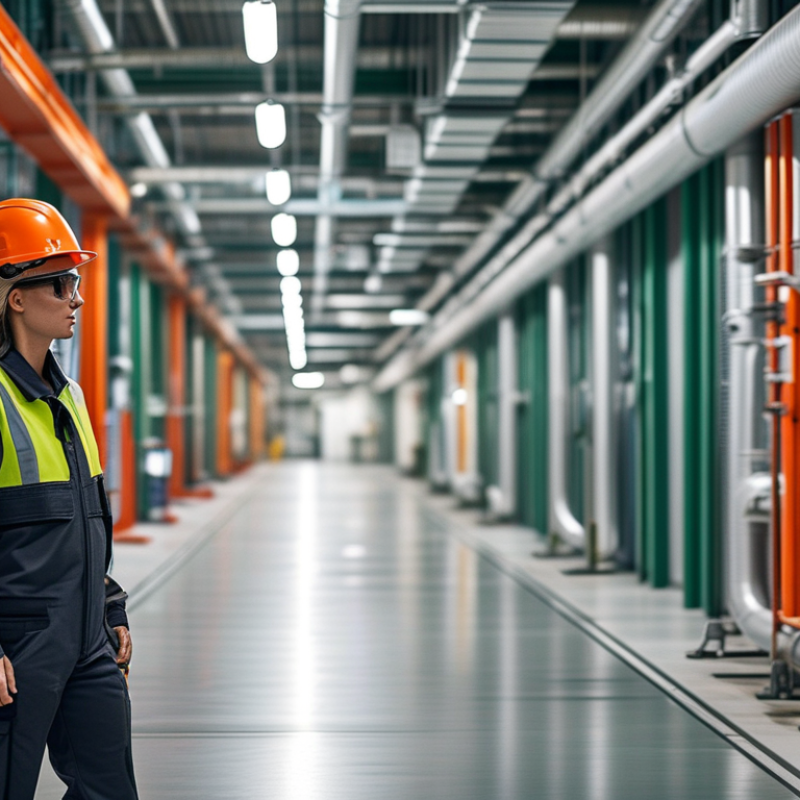
Local exhaust ventilation (LEV) plays a crucial role in ensuring a safe workplace. By removing harmful air contaminants at their source, LEV systems protect employees from exposure to dust, fumes, and vapors. Businesses must recognize that proper ventilation improves air quality and enhances productivity. Employees can focus better in a clean environment. Over time, neglecting LEV can lead to serious health issues.
Understanding the components of an effective LEV system is essential. A successful setup includes hoods, ducts, and a fan to efficiently capture and transport hazardous air. Each component must be correctly sized to fit the specific needs of the workspace. However, not all systems work optimally. Poor installation or maintenance can result in inefficiencies. Regular checks are needed to ensure peak performance. This oversight can lead to unexpected problems.
Investing in local exhaust ventilation is not just a regulatory compliance measure. It's a commitment to employee health and well-being. The initial costs may seem daunting, but they pale in comparison to the potential costs of workplace injuries or illnesses. Many businesses realize that their existing systems are outdated or inadequate. They often face challenges when upgrading. Reflecting on ventilation strategies can lead to better long-term solutions.
When selecting the best local exhaust ventilation solutions for your business, several factors come into play. The size of your workspace is crucial. It affects airflow requirements and the type of system needed. A smaller area may require less complex systems. Yet, even in compact spaces, you need effective ventilation to ensure air quality.
Consider the contaminants present in your environment. Different industries produce various pollutants. Specific systems target fumes, dust, or vapors. It’s vital to understand your specific needs. Look for solutions tailored to eliminate the pollutants generated in your operations.
An essential factor to reflect on is energy efficiency. Ventilation systems consume significant energy, impacting operational costs. Investing in energy-efficient systems can reduce expenditures long-term. Balancing performance and costs is key. Regular maintenance of the chosen system is crucial too. Poorly maintained systems can lead to inefficient airflow and increased risks. Always evaluate the long-term effectiveness of your ventilation choice.
Local exhaust ventilation (LEV) plays a crucial role in maintaining a safe workplace. Various technologies are available to effectively manage airborne contaminants. These systems are designed to capture harmful substances at their source. They work by using hoods, ductwork, and fans to draw pollutants away. This can include dust, fumes, and vapors produced during manufacturing processes or laboratory work.
One significant technology is the canopy hood. This design is ideal for processes involving heat and smoke. It captures pollutants rising from cooking or welding tasks. In addition, downdraft tables are tailored for woodworking and sanding operations. Workers can place materials directly on the table, where built-in vents remove dust. This solution allows for better visibility and enhanced safety.
Despite the effectiveness, there are some challenges. Installation can be complex, requiring proper assessment of airflow and workspace layout. Maintenance is essential for optimal performance. Regular cleaning and inspections help prevent setbacks. System failures can lead to dangerous exposure levels. Therefore, businesses must prioritize employee training and compliance with safety standards. These considerations ensure that the chosen LEV solution truly protects the workforce.
| Technology | Application Area | Filtration Efficiency | Noise Level (dB) | Energy Consumption (kW) |
|---|---|---|---|---|
| High-Efficiency Particulate Air (HEPA) Filters | Laboratories | 99.97% | 50 | 1.5 |
| Electrostatic Precipitators | Industrial Factories | 95% | 60 | 2.0 |
| Activated Carbon Filters | Chemical Plants | 90% | 55 | 1.2 |
| Biosafety Cabinets | Healthcare Facilities | 99.99% | 45 | 1.0 |
| Fume Extractors | Welding Shops | 85% | 70 | 1.8 |
When evaluating the cost-effectiveness of local exhaust ventilation systems, clarity and precision are key. According to a recent report by the National Institute for Occupational Safety and Health, effective ventilation can reduce airborne contaminant levels by up to 90%. This highlights the potential benefits for businesses in industries like manufacturing and food processing. However, the initial investment in ventilation systems can be significant, often ranging from $5,000 to $100,000 depending on the complexity and scale of the installation.
Regular maintenance can also add to ongoing costs. Studies show that neglecting these systems can lead to a 30% decrease in efficiency over time. It's essential to consider both installation and long-term operational expenses when analyzing overall cost-effectiveness. In some cases, businesses might overlook energy consumption, which can be a hidden expense. Energy-efficient systems can reduce operational costs by up to 50%, making them a better long-term investment.
While it's tempting to cut corners, ensuring compliance with safety regulations is non-negotiable. Regulatory fines can far exceed the costs associated with proper ventilation. Businesses must weigh the upfront investment against potential savings and health benefits, making informed choices for the well-being of their employees and the bottom line.
Implementing effective local exhaust ventilation (LEV) solutions is crucial for maintaining air quality in various business environments. Accurate design and placement of LEV systems can reduce workers' exposure to hazardous airborne pollutants by up to 90%. For successful implementation, it is essential to conduct regular assessments of air quality and system efficiency. A recent study published in the Journal of Occupational Environment Medicine reported that poorly maintained ventilation systems can lead to a 50% increase in airborne contaminants over time.
Routine maintenance of LEV systems helps ensure reliable performance. Regular filter replacements, duct inspections, and airflow measurements are vital. Studies show that 40% of businesses fail to perform adequate maintenance, risking employee health and compliance with safety regulations. It is important to engage qualified professionals for inspections and adjustments. Frequent training sessions for employees raise awareness about the importance of ventilation and proper use, increasing safety compliance.
Incorporating data-driven decision-making into maintenance schedules can significantly enhance overall system efficiency. Businesses should analyze airflow data and monitor pollution levels. Those organizations that embrace an evidence-based approach see a noticeable improvement in indoor air quality. Investing in LEV not only safeguards workers but also contributes to higher productivity levels and enhanced workplace morale.
This chart displays the effectiveness of various local exhaust ventilation solutions based on user satisfaction ratings in 2026. The data reflects the performance of different solutions in mitigating workplace pollutants.







