
-
-
-
-
-
-

With a customized Stiles University course, we can provide expert training for your team, on-location. Whether it's programming, operation or maintenance, we want to help you train your personnel to meet your production goals efficiently and effectively.
-

Experience the trusted workforce development training and machinery knowledge you rely on from Stiles University, now at your convenience. With technology changing every day and new methods being developed constantly, Stiles University Online has the latest information and training content available at your fingertips.
-
-
-

Do you want to produce more efficiently? Processes and flows are key. We optimize these together with you, re-organize them and make sure that you reduce your lead time and save costs. This enables you to implement customized manufacturing and achieve your business goals.
-

Industrialized construction is evolving. Automation, robotics and advanced technology are raising the level of productivity, efficiency and precision for builders in North America.
-

Stiles Machinery is at the forefront of providing technology and machining for producing high quality mass timber. Automated solutions for your mass timber production can increase your manufacturing quality and productivity.
-

Project management services from Stiles make it easy to streamline your entire project— from concept and consultation to integration and implementation.
-



-
-
-
-
-
-
With a customized Stiles University course, we can provide expert training for your team, on-location. Whether it's programming, operation or maintenance, we want to help you train your personnel to meet your production goals efficiently and effectively.
-
Experience the trusted workforce development training and machinery knowledge you rely on from Stiles University, now at your convenience. With technology changing every day and new methods being developed constantly, Stiles University Online has the latest information and training content available at your fingertips.
-
-
-
Do you want to produce more efficiently? Processes and flows are key. We optimize these together with you, re-organize them and make sure that you reduce your lead time and save costs. This enables you to implement customized manufacturing and achieve your business goals.
-
Industrialized construction is evolving. Automation, robotics and advanced technology are raising the level of productivity, efficiency and precision for builders in North America.
-
Stiles Machinery is at the forefront of providing technology and machining for producing high quality mass timber. Automated solutions for your mass timber production can increase your manufacturing quality and productivity.
-
Project management services from Stiles make it easy to streamline your entire project— from concept and consultation to integration and implementation.
-
What is the Best Electric Annealing Oven for Your Needs?
Choosing the right Electric Annealing Oven is crucial for achieving desired material properties. Industry expert Dr. Emily Carter, a renowned materials scientist, emphasizes, "The right oven can significantly influence your project outcomes." With technology advancing rapidly, the options available can be overwhelming.
Electric Annealing Ovens come in various sizes and functionalities. Some are designed for small-scale applications, while others suit industrial needs. Understanding these differences is vital for making an informed decision. Features such as temperature precision and energy efficiency play key roles in performance.
While it might seem straightforward, selecting an oven often requires careful thought. It's important to weigh your specific needs against the available options. Too often, users invest in machines that do not fully meet their requirements. This can lead to inefficiencies and wasted resources. Be thoughtful, and choose wisely.
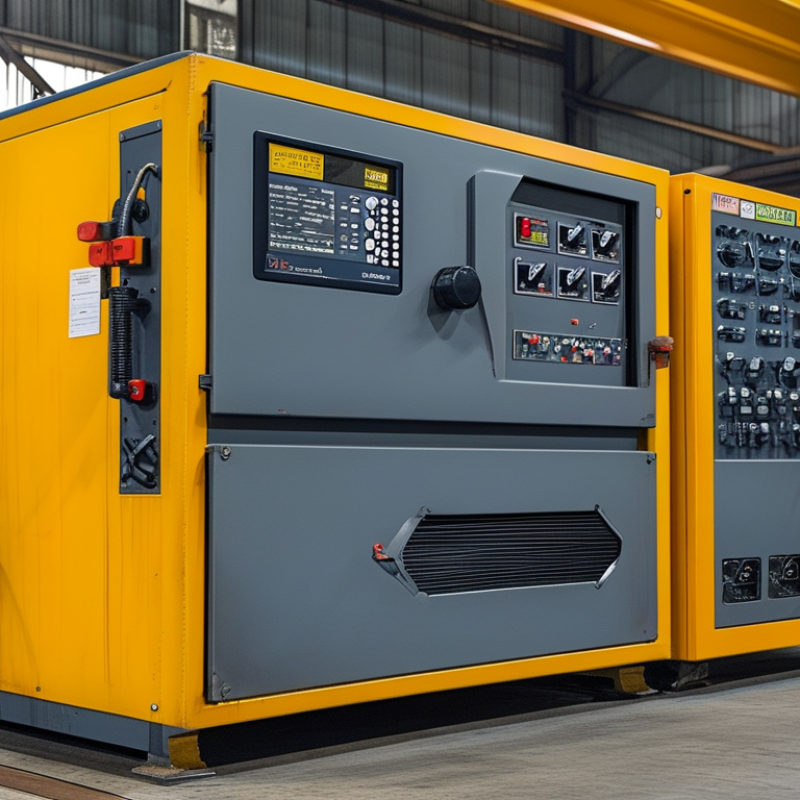
Understanding Electric Annealing: Overview and Benefits
Electric annealing is a crucial process in metalworking and materials science. It involves heating materials to specific temperatures, allowing them to regain ductility and reduce hardness. This method is vital for several applications, including the production of wires and sheets. According to a recent industry report, about 70% of manufacturers use electric annealing due to its efficiency and precision.
The benefits of electric annealing are significant. It enhances material properties, ensuring better performance in final applications. The temperature control provided by electric ovens offers consistency, which is essential for quality assurance. Reports indicate that facilities utilizing electric annealing ovens have seen improvements in product durability by 30%. However, operational costs can be a concern, as initial investments are substantial.
Despite its advantages, electric annealing is not without challenges. Some facilities struggle with energy consumption. Balancing energy efficiency with quality output remains a critical area for improvement. As the industry evolves, many are exploring hybrid systems that combine electric heating with alternative methods. These innovations could further enhance the process while addressing some current shortcomings.