
-
-
-
-
-
-

With a customized Stiles University course, we can provide expert training for your team, on-location. Whether it's programming, operation or maintenance, we want to help you train your personnel to meet your production goals efficiently and effectively.
-

Experience the trusted workforce development training and machinery knowledge you rely on from Stiles University, now at your convenience. With technology changing every day and new methods being developed constantly, Stiles University Online has the latest information and training content available at your fingertips.
-
-
-

Do you want to produce more efficiently? Processes and flows are key. We optimize these together with you, re-organize them and make sure that you reduce your lead time and save costs. This enables you to implement customized manufacturing and achieve your business goals.
-

Industrialized construction is evolving. Automation, robotics and advanced technology are raising the level of productivity, efficiency and precision for builders in North America.
-

Stiles Machinery is at the forefront of providing technology and machining for producing high quality mass timber. Automated solutions for your mass timber production can increase your manufacturing quality and productivity.
-

Project management services from Stiles make it easy to streamline your entire project— from concept and consultation to integration and implementation.
-



-
-
-
-
-
-
With a customized Stiles University course, we can provide expert training for your team, on-location. Whether it's programming, operation or maintenance, we want to help you train your personnel to meet your production goals efficiently and effectively.
-
Experience the trusted workforce development training and machinery knowledge you rely on from Stiles University, now at your convenience. With technology changing every day and new methods being developed constantly, Stiles University Online has the latest information and training content available at your fingertips.
-
-
-
Do you want to produce more efficiently? Processes and flows are key. We optimize these together with you, re-organize them and make sure that you reduce your lead time and save costs. This enables you to implement customized manufacturing and achieve your business goals.
-
Industrialized construction is evolving. Automation, robotics and advanced technology are raising the level of productivity, efficiency and precision for builders in North America.
-
Stiles Machinery is at the forefront of providing technology and machining for producing high quality mass timber. Automated solutions for your mass timber production can increase your manufacturing quality and productivity.
-
Project management services from Stiles make it easy to streamline your entire project— from concept and consultation to integration and implementation.
-
The Best CNC Mill Types for Your Machining Needs?
Choosing the right CNC mill can transform your machining process. The diversity of CNC mills available today makes selection challenging. Specific needs, such as material type and part complexity, should guide your choice.
Different CNC mills offer unique advantages. Some are better suited for high-precision tasks, while others excel in speed. This variety can create confusion for beginners. Understanding your project requirements is crucial to making the right decision.
Consider your budget and intended use carefully. Investing in a more advanced CNC mill may pay off in the long run. However, you might find that simpler models suffice for your needs. Reflect on your capabilities and project goals before making a final choice.
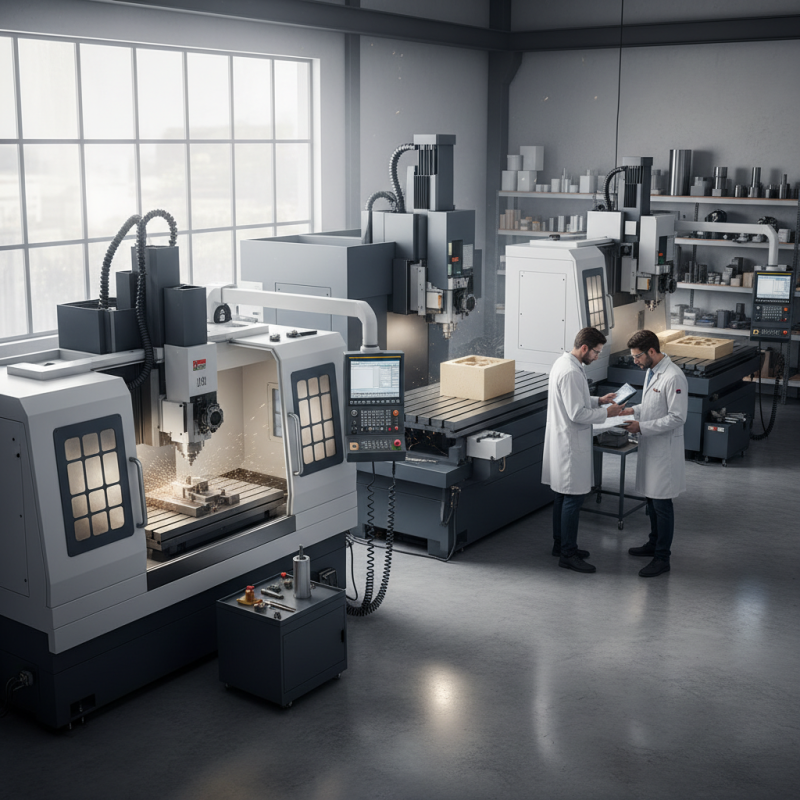
Understanding CNC Milling Machines: Types and Applications
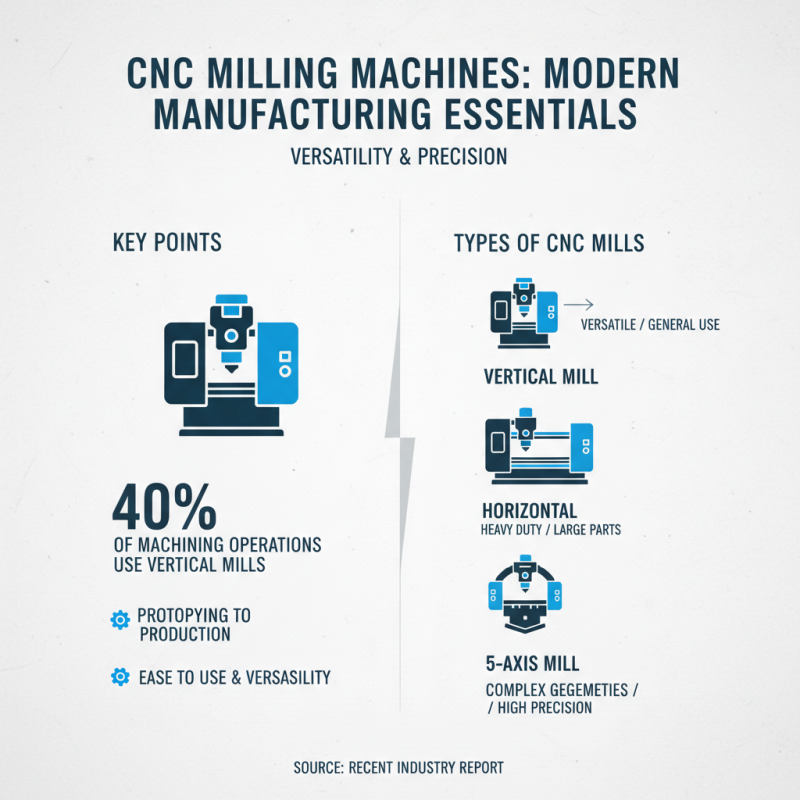
CNC milling machines are essential in modern manufacturing. They come in various types, each suited for specific applications. For example, vertical CNC mills are popular for their versatility and ease of use. According to a recent industry report, over 40% of machining operations utilize vertical mills for tasks ranging from prototyping to large-scale production.
Horizontal CNC mills, while less common, offer unique advantages. They excel in heavy-duty tasks and complex geometries. Data shows that businesses using horizontal mills often experience a 20% increase in operational efficiency. However, these machines require higher initial investment and maintenance costs. The decision to choose a CNC mill type hinges on the complexity of the projects and budget constraints.
**Tips:** Consider implementing usage simulations before purchase. This allows for a better understanding of the capabilities. Always assess the volume and type of materials you’ll be working with. Keep in mind that some machines might not handle every material type seamlessly. Reflect on your specific machining needs to avoid costly mistakes.
Related Posts
-

2026 How to Choose the Right CNC Mill for Your Workshop Needs?
-

Top 10 Small CNC Machines for Precision Engineering in 2023
-
Top 5 CNC Router Kits for Precision Crafting and DIY Projects
-
Top 5 CNC Router Kits for Ultimate Precision and DIY Projects in 2023
-
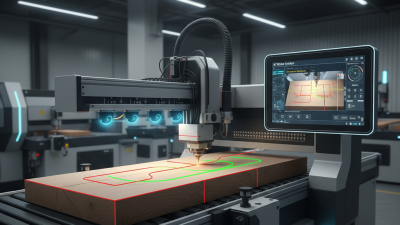
2025 Top 10 Woodworking Machinery Innovations You Can't Miss
-
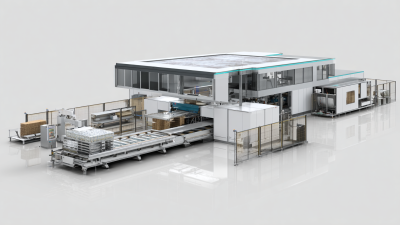
Revolutionizing Furniture Manufacturing: How Edge Banding Machines Enhance Production Efficiency