
-
-
-
-
-
-

With a customized Stiles University course, we can provide expert training for your team, on-location. Whether it's programming, operation or maintenance, we want to help you train your personnel to meet your production goals efficiently and effectively.
-

Experience the trusted workforce development training and machinery knowledge you rely on from Stiles University, now at your convenience. With technology changing every day and new methods being developed constantly, Stiles University Online has the latest information and training content available at your fingertips.
-
-
-

Do you want to produce more efficiently? Processes and flows are key. We optimize these together with you, re-organize them and make sure that you reduce your lead time and save costs. This enables you to implement customized manufacturing and achieve your business goals.
-

Industrialized construction is evolving. Automation, robotics and advanced technology are raising the level of productivity, efficiency and precision for builders in North America.
-

Stiles Machinery is at the forefront of providing technology and machining for producing high quality mass timber. Automated solutions for your mass timber production can increase your manufacturing quality and productivity.
-

Project management services from Stiles make it easy to streamline your entire project— from concept and consultation to integration and implementation.
-



-
-
-
-
-
-
With a customized Stiles University course, we can provide expert training for your team, on-location. Whether it's programming, operation or maintenance, we want to help you train your personnel to meet your production goals efficiently and effectively.
-
Experience the trusted workforce development training and machinery knowledge you rely on from Stiles University, now at your convenience. With technology changing every day and new methods being developed constantly, Stiles University Online has the latest information and training content available at your fingertips.
-
-
-
Do you want to produce more efficiently? Processes and flows are key. We optimize these together with you, re-organize them and make sure that you reduce your lead time and save costs. This enables you to implement customized manufacturing and achieve your business goals.
-
Industrialized construction is evolving. Automation, robotics and advanced technology are raising the level of productivity, efficiency and precision for builders in North America.
-
Stiles Machinery is at the forefront of providing technology and machining for producing high quality mass timber. Automated solutions for your mass timber production can increase your manufacturing quality and productivity.
-
Project management services from Stiles make it easy to streamline your entire project— from concept and consultation to integration and implementation.
-
What are the Best Chain Wheels for Quality Performance?
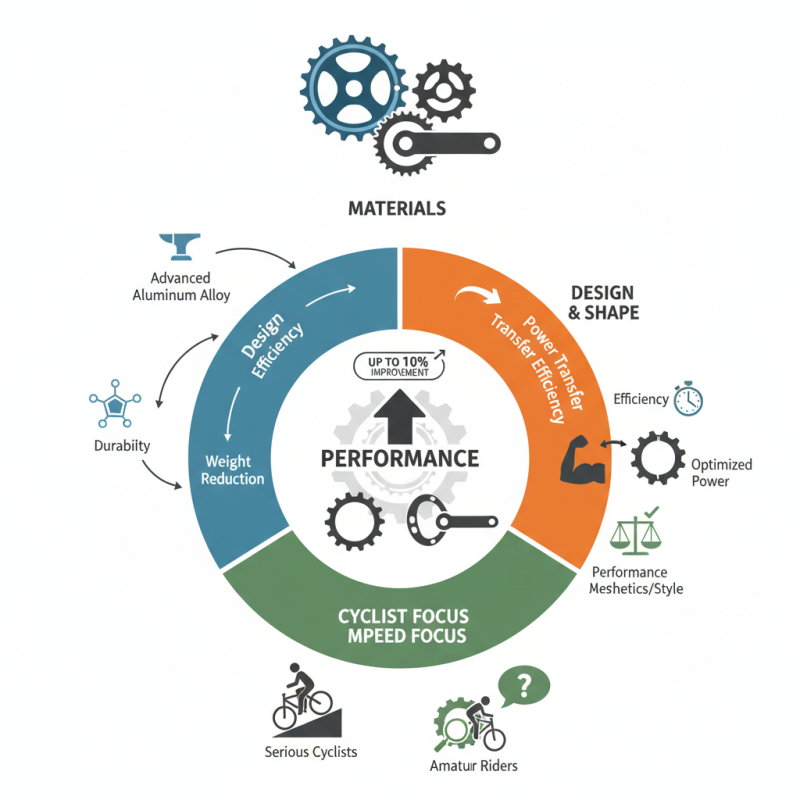
When it comes to performance in cycling, the choice of a Chain Wheel is crucial. A well-designed chain wheel can significantly enhance efficiency and power transfer. According to a report by Cycling Weekly, the right chain wheel can improve a cyclist's performance by up to 10%. This emphasizes the importance of selecting high-quality materials and designs.
Chain wheels come in various shapes, materials, and sizes. Some are optimized for durability, while others focus on weight reduction. A study from the International Journal of Sports Engineering found that using advanced aluminum alloys can increase lifespan without sacrificing performance. However, not all cyclists are aware of these advancements. Poor choices can lead to reduced performance or accelerated wear.
Understanding the intricacies of chain wheels is essential for serious cyclists. A reliable source, BikeRadar, suggests that amateur riders often overlook these details. They may choose based on aesthetics rather than performance metrics. This decision can impact their overall riding experience. It's crucial to balance style and function when selecting a chain wheel.
Best Materials for Chain Wheels: Analyzing Strength and Durability
When analyzing the best materials for chain wheels, one must consider strength and durability. Different materials yield varying performance levels. Aluminum is lightweight and corrosion-resistant but may lack the strength needed for heavy-duty applications. Steel offers superior strength but is heavier and more prone to rust.
Carbon fiber, on the other hand, excels in high-performance scenarios. It combines lightweight properties with incredible strength. However, the cost is often higher, which can be a barrier for many users. Many opt for a mix of materials, finding a balance between performance and price.
While these materials have their benefits, none are perfect. For instance, aluminum may deform under extreme loads, while steel’s weight can impact speed. It’s essential to pinpoint the intended use of the chain wheel. This helps in selecting the right material for optimal performance. Consideration of these factors leads to a more informed choice when seeking quality performance in chain wheels.
What are the Best Chain Wheels for Quality Performance?
| Material | Strength (MPa) | Durability (Cycles) | Weight (grams) | Corrosion Resistance |
|---|---|---|---|---|
| Aluminum Alloy | 310 | 6000 | 150 | Moderate |
| Carbon Steel | 600 | 8000 | 200 | Low |
| Stainless Steel | 520 | 9000 | 250 | High |
| Titanium Alloy | 900 | 12000 | 100 | Very High |