
Skip to content

What Is the Best Air Separation Unit Gearbox in 2026?

Choosing the best Air Separation Unit Gearbox in 2026 starts with the duty, not the catalog. Air separation plants rely on rotating equipment to process large volumes of air, often around the clock. A gearbox must transmit power at the required speed while handling its actual load and operating conditions. Small details matter.

A useful comparison looks beyond rated power. Buyers should check input and output speeds, torque, gear arrangement, bearing design, lubrication requirements, and expected service intervals. The gearbox should also match the compressor or expander train, foundation, cooling system, and plant control strategy. Ask for documented performance data, material specifications, inspection records, and references from comparable duties. A polished brochure is not proof.

There is no single model that is best for every plant. One site may prioritize high availability and fast access to replacement parts; another may need a compact package or lower maintenance demands. Review operating history, start-stop frequency, ambient conditions, and the consequences of an unplanned shutdown. Then compare lifecycle cost, not purchase price alone. That takes care.

This guide examines the criteria engineers and procurement teams can use to assess gearbox options in 2026. It also highlights questions to raise with manufacturers before selecting a unit. Some data may be incomplete or difficult to compare, so confirm assumptions with the supplier and an experienced rotating-equipment specialist. A careful fit beats a confident guess.
What Is the Best Air Separation Unit Gearbox in 2026?

How an Air Separation Unit Gearbox Works

What Is the Best Air Separation Unit Gearbox in 2026?
How an Air Separation Unit Gearbox Works

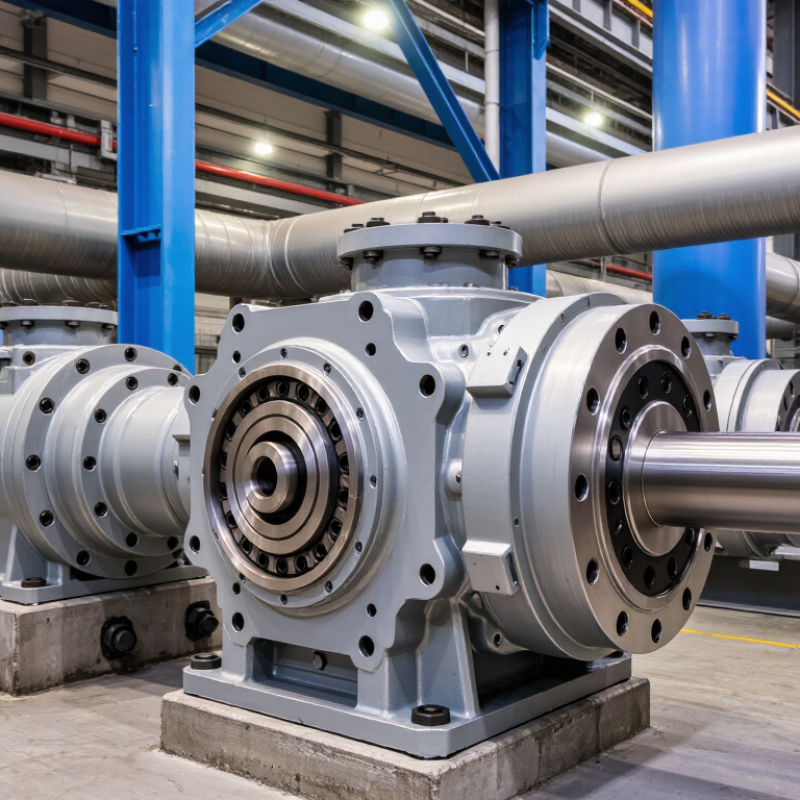
An air separation unit (ASU) gearbox transfers power from a driver to rotating equipment, commonly a compressor or expander. Its gears adjust speed and torque to suit the connected machine. In many geared trains, a small pinion meshes with a larger gear, setting the output speed. Small components. Big consequences. The gearbox supports steady airflow; it does not separate oxygen and nitrogen itself. The right design depends on the machine, operating conditions, and maintenance requirements.

During operation, lubricating oil forms a film between gear teeth and bearings. It reduces friction and carries away heat. Sensors may track oil pressure, temperature, and vibration. Trends are more useful than isolated readings. A rising vibration level paired with warmer oil deserves attention. Operators can check lubrication, alignment, loading, and wear. Configurations vary, so inspections should follow the equipment manual and site limits.

Tips: Keep oil clean and verify its level and pressure during routine checks. Record vibration and temperature readings under comparable conditions. Investigate sudden changes promptly, but avoid diagnosing a gearbox from one sensor reading alone. A careful inspection can reveal issues early; it cannot guarantee trouble-free operation.

Operating Conditions That Shape Gearbox Requirements

What Is the Best Air Separation Unit Gearbox in 2026?
Operating Conditions That Shape Gearbox Requirements

A suitable gearbox depends on the machine and its real duty cycle, not just its rated power. In an air separation unit, a geared compressor or expander may run for long periods with limited time for cooling or maintenance. Continuous torque, start-up frequency, shaft speed, and process fluctuations all affect gear selection. It is easy to overvalue peak torque. Average load matters too.

Site conditions change the decision. High ambient temperatures can reduce lubricant life, while dust, vibration, and restricted access can complicate inspection. The U.S. Department of Energy’s 2014 Improving Motor and Drive System Performance: A Sourcebook for Industry estimates that motor-driven systems use 69% of U.S. manufacturing electricity. That figure is not specific to air separation, but it highlights why transmission losses deserve attention. Check gearbox efficiency alongside thermal capacity, bearing life, and oil-cooling needs. A lower-loss design may still disappoint if its cooling arrangement cannot handle the site’s hottest operating days. Small detail, big consequence. Specify the actual operating envelope, then verify it against the equipment supplier’s load and maintenance data. Even then, plant records may be incomplete; confirm assumptions before final sizing.

What Is the Best Air Separation Unit Gearbox in 2026? - Operating Conditions That Shape Gearbox Requirements

There is no single best gearbox for every air separation unit (ASU). The appropriate design depends on the compressor train, operating envelope, site conditions, and project specifications. Use this table as a screening guide; confirm final selections with the compressor and gearbox suppliers.

Operating condition ASU context Gearbox requirement to evaluate Selection and verification checks
Continuous, high-power operation Main air compressors commonly run for long periods to supply process air to the separation plant. A design suited to sustained load, with adequate gear capacity, bearing life, lubrication, and heat removal. Check rated and maximum power, duty cycle, thermal balance, bearing calculations, and the specified service factor against the actual operating cases.
High-speed pinion operation Integrally geared centrifugal compressor trains use gearing to operate compressor stages at their required speeds. Precision gearing, suitable bearing design, controlled alignment, and stable lubrication at the specified speeds. Review input and pinion speeds, gear geometry, vibration limits, bearing arrangement, manufacturing quality, and the supplier’s speed-range limits.
Variable speed or frequent load changes Plant demand and compressor control strategies may require operation away from a single design point; some drives use variable-speed control. Compatibility with the full operating-speed range, transient loads, and the compressor’s control and protection system. Provide the complete speed–power envelope. Review torsional behavior, critical speeds, minimum-speed lubrication, and allowable start and ramp rates.
Starts, trips, and restart sequences Standby periods, shutdowns, and process trips can expose the drive train to repeated starts and transient torque conditions. A design and lubrication system suitable for the specified start frequency and transient operating cases. Confirm permitted starts per hour, pre-lubrication requirements, coast-down behavior, trip loads, and restart interlocks with the train suppliers.
Ambient temperature and site environment Outdoor or unconditioned installations may experience seasonal temperature changes, dust, humidity, or other site-specific exposure. Oil grade, heater or cooler provisions, enclosure protection, and materials selected for the declared site conditions. Specify site minimum and maximum temperatures, altitude, ventilation, dust, and humidity; verify oil viscosity and auxiliary-system performance across that range.
Lubrication and oil cleanliness Gear teeth and bearings depend on a reliable oil supply; contamination or loss of flow can damage rotating components. A lubrication system with suitable filtration, cooling, instrumentation, and protective logic for the selected gearbox. Review oil flow and pressure monitoring, filter arrangements, cooler capacity, alarms, trips, and commissioning cleanliness requirements.
Vibration, torsional response, and foundation conditions The gearbox operates as part of a coupled train that may include a driver, compressor stages, couplings, and a common support structure. A gearbox compatible with train dynamics, shaft alignment, coupling loads, and support stiffness. Request the applicable torsional analysis, lateral vibration review, alignment tolerances, and agreed vibration monitoring and acceptance criteria.
Process-gas separation and leakage control Process gas and gearbox oil are separate systems, but shaft interfaces and seals require suitable design and maintenance. Appropriate sealing arrangements and interfaces that meet the compressor package’s process and environmental requirements. Confirm seal design, vent and drain routing, leakage monitoring, and any project requirements concerning oil carryover or process contamination.
Maintenance access and plant availability An ASU may be designed for high availability, making inspection access and the repair strategy important to lifecycle performance. Maintainable construction, accessible inspection points, and a support plan aligned with the site’s maintenance capabilities. Evaluate inspection intervals, replacement-part availability, repair procedures, required lifting provisions, and supplier service support.

Final gearbox selection should be based on the compressor supplier’s load data, the full operating envelope, site conditions, applicable project standards, and the agreed package performance and acceptance requirements.

Gearbox Types Used in Air Separation Units

What Is the Best Air Separation Unit Gearbox in 2026?
Gearbox Types Used in Air Separation Units

Air separation units use gearboxes to match motor or turbine speed with compressor and expander requirements. The right arrangement depends on the machine train, not a calendar-year ranking. Parallel-shaft helical gearboxes are common where shafts remain aligned. Their gradual tooth engagement can support smooth, continuous operation.

Bevel-helical gearboxes combine two gear stages to transmit power between shafts set at an angle. They can suit layouts where drive direction or available floor space matters. In integrally geared centrifugal compressors, a large bull gear drives smaller pinions, often at different speeds for separate compressor stages. Planetary gearboxes may serve specialized, compact drives, but they are not a default choice for every ASU.

Selection calls for checking input speed, torque, duty cycle, bearing loads, and torsional behavior. Field measurements matter. Unusual vibration or rising oil temperature can signal misalignment, wear, or lubrication trouble. Engineers should also review shaft seals and oil-system separation, since process-gas purity is critical in an air separation plant. A gearbox may meet its rating yet still prove awkward to inspect; access for filters and routine vibration checks deserves attention, too. The best fit is the one validated against the actual operating conditions.

Key Criteria for Comparing ASU Gearboxes in 2026

In 2026, the best ASU gearbox is the one matched to the compressor’s real duty cycle, not simply the highest-rated unit. Compare input speed, output torque, gear ratio, and allowable thrust and radial loads against the compressor’s operating map. Check efficiency at both normal and part load; a gearbox may spend much of its life away from its design point. The U.S. Department of Energy’s 2014 Improving Motor and Drive System Performance sourcebook estimates motor-driven systems use 68% of U.S. manufacturing electricity. This is a broad industrial benchmark, not an ASU-specific figure, but it shows why drivetrain losses deserve attention.

Assess reliability using documented bearing-life assumptions, lubrication requirements, thermal limits, and torsional analysis. Ask for vibration acceptance criteria and monitoring plans that align with ISO 20816, plus gear-rating calculations based on ISO 6336. Compare inspection access, spare-parts lead times, and maintainability during planned shutdowns. A catalogue rating alone can miss site-specific loads. Review the assumptions with the compressor and gearbox engineers.

Tips: Request performance data at your actual speed and load range. Trend vibration, oil temperature, and debris results over time. Small changes matter. Remember, monitoring helps reveal deterioration; it does not replace a sound inspection plan.

How to Select a Gearbox for a Specific ASU Application

For an air separation unit, the best gearbox is the one matched to the machine and its operating profile. A main air compressor may need a high-speed gearbox that handles continuous duty and substantial torque. A booster compressor or expander can have different speed ranges, load patterns, and connection requirements. Start with the compressor or expander manufacturer’s speed, power, and torque data.

Check more than the rated power. Review startup loads, expected operating hours, ambient temperature, cooling arrangements, and lubrication requirements. Ask how the gearbox manages heat during sustained operation. Confirm that the specified gear ratio suits the required shaft speeds, and that bearings and seals fit the site conditions. Small details matter. Oil sampling access and vibration monitoring can make routine checks more practical.

Compare the gearbox’s documented thermal and mechanical ratings with the actual duty, not just a catalogue figure. Discuss transient loads and maintenance intervals with qualified equipment specialists. A unit that appears suitable on paper may still be awkward to service once installed between large machines and tight pipework. That deserves a second look. The final choice should reflect the ASU’s process demands, plant layout, and maintenance capability, with assumptions recorded for later review.