
-
-
-
-
-
-

With a customized Stiles University course, we can provide expert training for your team, on-location. Whether it's programming, operation or maintenance, we want to help you train your personnel to meet your production goals efficiently and effectively.
-

Experience the trusted workforce development training and machinery knowledge you rely on from Stiles University, now at your convenience. With technology changing every day and new methods being developed constantly, Stiles University Online has the latest information and training content available at your fingertips.
-
-
-

Do you want to produce more efficiently? Processes and flows are key. We optimize these together with you, re-organize them and make sure that you reduce your lead time and save costs. This enables you to implement customized manufacturing and achieve your business goals.
-

Industrialized construction is evolving. Automation, robotics and advanced technology are raising the level of productivity, efficiency and precision for builders in North America.
-

Stiles Machinery is at the forefront of providing technology and machining for producing high quality mass timber. Automated solutions for your mass timber production can increase your manufacturing quality and productivity.
-

Project management services from Stiles make it easy to streamline your entire project— from concept and consultation to integration and implementation.
-



-
-
-
-
-
-
With a customized Stiles University course, we can provide expert training for your team, on-location. Whether it's programming, operation or maintenance, we want to help you train your personnel to meet your production goals efficiently and effectively.
-
Experience the trusted workforce development training and machinery knowledge you rely on from Stiles University, now at your convenience. With technology changing every day and new methods being developed constantly, Stiles University Online has the latest information and training content available at your fingertips.
-
-
-
Do you want to produce more efficiently? Processes and flows are key. We optimize these together with you, re-organize them and make sure that you reduce your lead time and save costs. This enables you to implement customized manufacturing and achieve your business goals.
-
Industrialized construction is evolving. Automation, robotics and advanced technology are raising the level of productivity, efficiency and precision for builders in North America.
-
Stiles Machinery is at the forefront of providing technology and machining for producing high quality mass timber. Automated solutions for your mass timber production can increase your manufacturing quality and productivity.
-
Project management services from Stiles make it easy to streamline your entire project— from concept and consultation to integration and implementation.
-
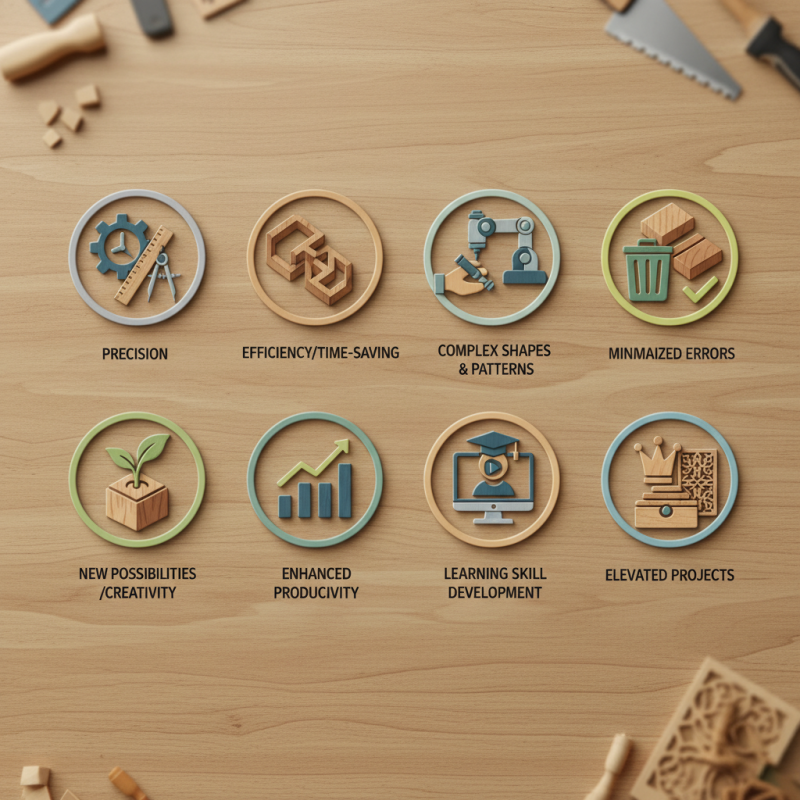
Top 10 Benefits of Using a Woodworking CNC Machine for Your Projects
Using a woodworking CNC machine can transform your projects. This technology opens up a world of possibilities. Precision and efficiency become your allies in craftsmanship.
Imagine replicating intricate designs with unparalleled accuracy. A woodworking CNC machine allows for complex shapes and patterns that would be hard to achieve by hand. It saves time and minimizes errors. While embracing this tool, one might feel anxious about losing the artistic touch.
Moreover, the learning curve can be steep. Navigating software and machine settings may pose challenges. However, the benefits often outweigh these hurdles. Enhanced productivity and creativity await those who commit to learning. With practice, every woodworker can master this machine and elevate their projects.
Benefits of Increased Precision in Woodworking with CNC Machines
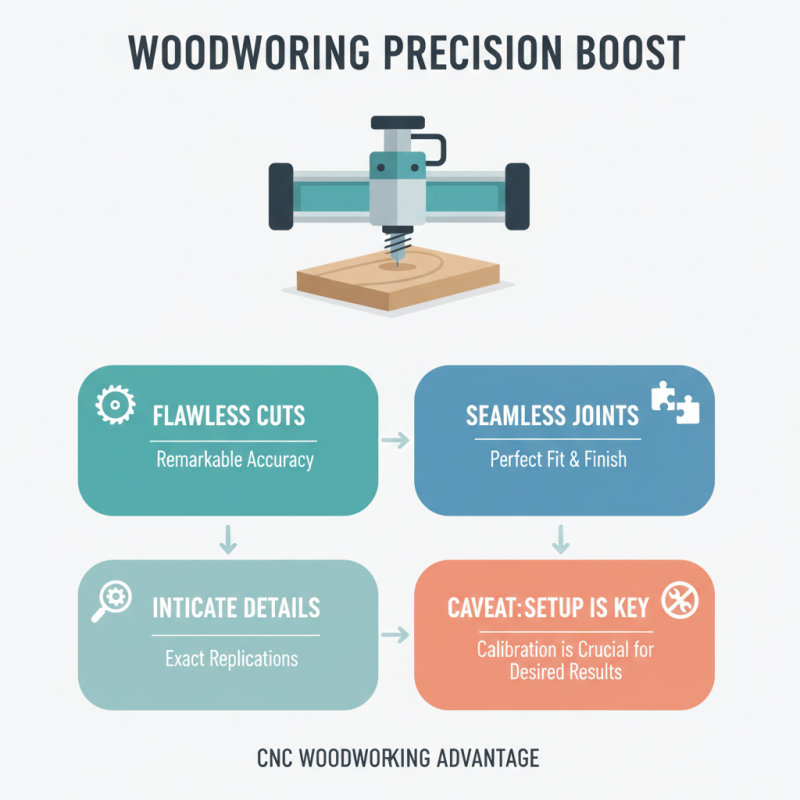
Using a woodworking CNC machine can greatly enhance precision in your projects. Unlike traditional methods, a CNC machine executes designs with remarkable accuracy. This means your cuts are cleaner and fit together seamlessly. Every notch and detail comes out just as you envisioned. There’s something satisfying in seeing a perfect joint. However, achieving this level of precision requires careful setup. If anything is off during calibration, the final product may disappoint.
Moreover, CNC machines allow for complex patterns that hand tools simply can’t match. For instance, intricate designs can be carved into wood with ease. You can create unique pieces that stand out in any market. Yet, the learning curve for these machines can be steep. Mistakes often happen during programming. Finding the right settings is crucial, and it can take time to master.
Despite these challenges, the benefits of increased precision are hard to ignore. The quality of the end product elevates your craftsmanship. It shows in every piece, giving you the confidence to take on larger projects. The joy of producing flawless work is unmatched. Still, one must remember that perfection is a journey. A CNC machine is just one tool in your woodworking arsenal.
Related Posts
-
Top 10 CNC Router Machine Features You Should Know Before Buying
-
Exploring the Amazing World of CNC Routers for DIY Enthusiasts
-
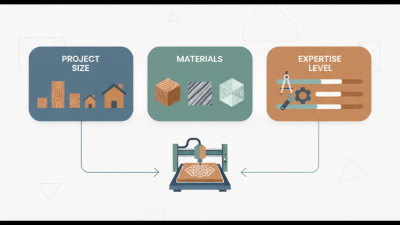
How to Choose the Best CNC Router Kit for Your Woodworking Projects
-
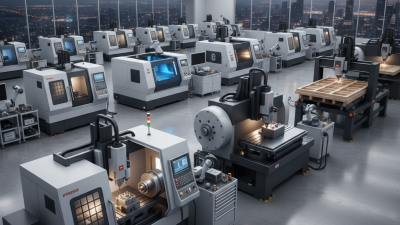
Top 10 CNC Machine Types You Need to Know for Precision Machining
-
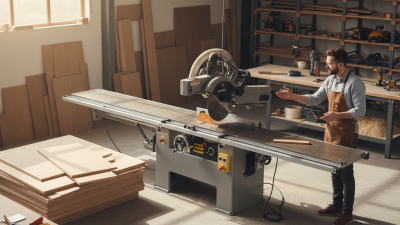
2026 How to Choose the Best Panel Saw for Your Workshop Needs?
-
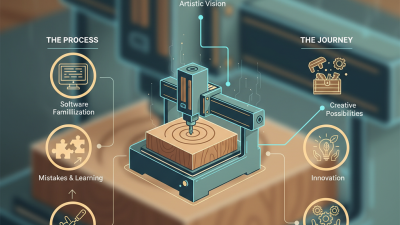
2026 How to Use Wood CNC Machines for Perfect Craftsmanship?