
-
-
-
-
-
-
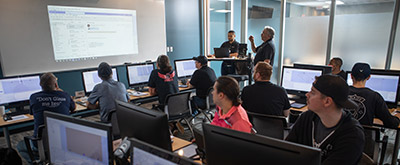
With a customized Stiles University course, we can provide expert training for your team, on-location. Whether it's programming, operation or maintenance, we want to help you train your personnel to meet your production goals efficiently and effectively.
-

Experience the trusted workforce development training and machinery knowledge you rely on from Stiles University, now at your convenience. With technology changing every day and new methods being developed constantly, Stiles University Online has the latest information and training content available at your fingertips.
-
-
-

Do you want to produce more efficiently? Processes and flows are key. We optimize these together with you, re-organize them and make sure that you reduce your lead time and save costs. This enables you to implement customized manufacturing and achieve your business goals.
-
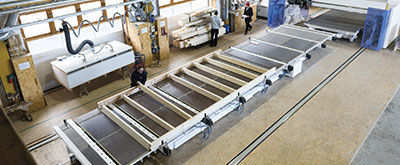
Industrialized construction is evolving. Automation, robotics and advanced technology are raising the level of productivity, efficiency and precision for builders in North America.
-

Stiles Machinery is at the forefront of providing technology and machining for producing high quality mass timber. Automated solutions for your mass timber production can increase your manufacturing quality and productivity.
-

Project management services from Stiles make it easy to streamline your entire project— from concept and consultation to integration and implementation.
-

-
-
-
-
-
-
With a customized Stiles University course, we can provide expert training for your team, on-location. Whether it's programming, operation or maintenance, we want to help you train your personnel to meet your production goals efficiently and effectively.
-
Experience the trusted workforce development training and machinery knowledge you rely on from Stiles University, now at your convenience. With technology changing every day and new methods being developed constantly, Stiles University Online has the latest information and training content available at your fingertips.
-
-
-
Do you want to produce more efficiently? Processes and flows are key. We optimize these together with you, re-organize them and make sure that you reduce your lead time and save costs. This enables you to implement customized manufacturing and achieve your business goals.
-
Industrialized construction is evolving. Automation, robotics and advanced technology are raising the level of productivity, efficiency and precision for builders in North America.
-
Stiles Machinery is at the forefront of providing technology and machining for producing high quality mass timber. Automated solutions for your mass timber production can increase your manufacturing quality and productivity.
-
Project management services from Stiles make it easy to streamline your entire project— from concept and consultation to integration and implementation.
-
Top 10 Benefits of Switching Power Supply You Should Know?
In recent years, the adoption of Switching Power Supply (SPS) technology has surged across industries. According to a report by Markets and Markets, the global power supply market is projected to reach $42.5 billion by 2025, primarily driven by the demand for SPS. These systems are recognized for their efficiency and compact design, making them ideal for electronics and industrial applications.
Switching Power Supplies convert electrical power using high-frequency switching techniques. This innovation reduces energy loss and minimizes heat generation. As energy efficiency standards tighten globally, switching power supplies emerge as a viable solution. The need for reliable power sources in sectors like telecommunications and automotive amplifies the importance of SPS.
Yet, substantial challenges exist. Some industries struggle to adapt to SPS technology due to initial cost barriers. Furthermore, inconsistent performance across various products leaves room for improvement. Exploring the top benefits of switching power supplies provides valuable insights for businesses. Understanding these benefits can guide organizations in making informed decisions, ultimately enhancing productivity and sustainability.
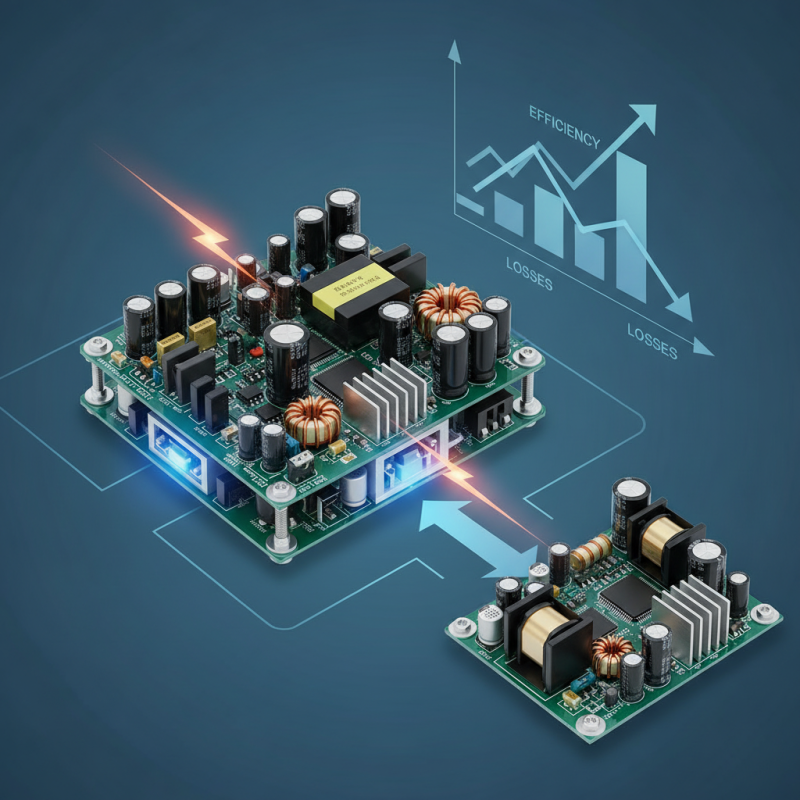
Benefits of Improved Efficiency in Switching Power Supplies
Switching power supplies have revolutionized electronic design with their enhanced efficiency. These power supplies convert electrical energy with minimal waste. This improvement translates into lower electricity bills for both consumers and businesses. Additionally, less energy wasted means reduced heat generation. Devices run cooler, leading to longer lifespans.
The efficiency of switching power supplies contributes to a smaller carbon footprint. They consume less energy, which is beneficial for the environment. More organizations are choosing these supplies to meet sustainability goals. However, there's a trade-off. The complexity of the design can be a challenge for some engineers. They may need more training to fully harness the benefits.
Moreover, reliability is another factor. While switching power supplies are generally stable, failures can occur. It’s crucial to select the right components for the desired application. Attention to detail during the design phase can help mitigate potential issues. Balancing efficiency with reliability requires continuous improvement and thoughtful consideration in the engineering process.