For support and service of your machinery, Stiles has experts available 24/7 to help reduce downtime and get you back in action.
Technical Support: 616-698-6615
Service & Repairs: 616-698-7500
24/7 Parts: 1-800-727-8780
sale@inlandmachineokc.com
Parts are available from Stiles 24 hours a day, seven days a week, and are shipped from our Grand Rapids, Michigan fulfillment center.
24/7 Parts: 800-727-8780

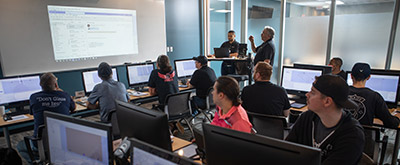
With a customized Stiles University course, we can provide expert training for your team, on-location. Whether it's programming, operation or maintenance, we want to help you train your personnel to meet your production goals efficiently and effectively.

Experience the trusted workforce development training and machinery knowledge you rely on from Stiles University, now at your convenience. With technology changing every day and new methods being developed constantly, Stiles University Online has the latest information and training content available at your fingertips.
616-698-7500

Do you want to produce more efficiently? Processes and flows are key. We optimize these together with you, re-organize them and make sure that you reduce your lead time and save costs. This enables you to implement customized manufacturing and achieve your business goals.

Industrialized construction is evolving. Automation, robotics and advanced technology are raising the level of productivity, efficiency and precision for builders in North America.

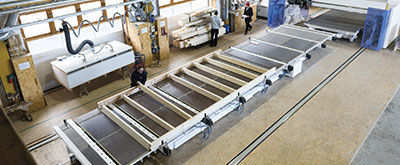
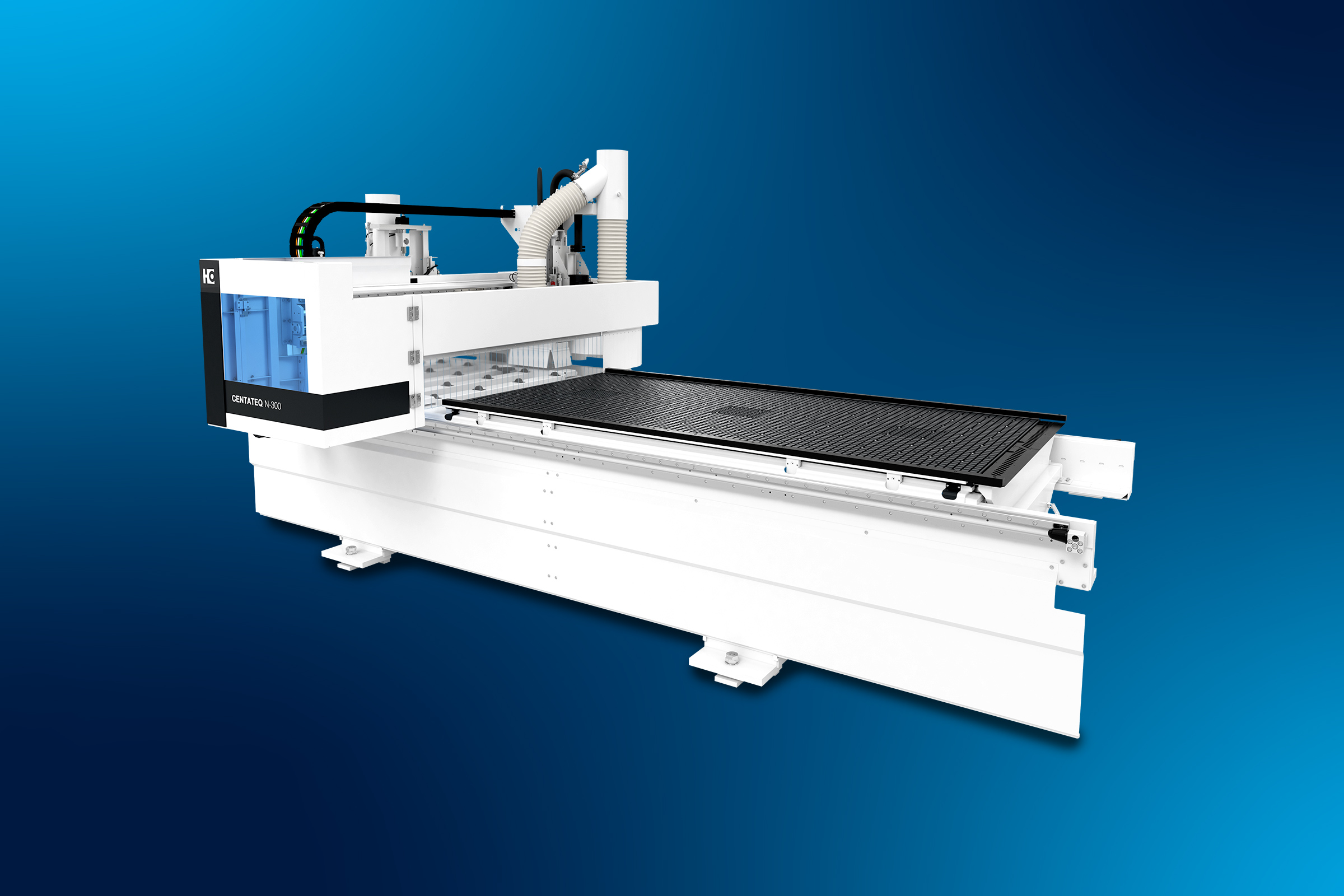
Stiles Machinery is at the forefront of providing technology and machining for producing high quality mass timber. Automated solutions for your mass timber production can increase your manufacturing quality and productivity.

Project management services from Stiles make it easy to streamline your entire project— from concept and consultation to integration and implementation.
For support and service of your machinery, Stiles has experts available 24/7 to help reduce downtime and get you back in action.
Technical Support: 616-698-6615
Service & Repairs: 616-698-7500
24/7 Parts: 1-800-727-8780
sale@inlandmachineokc.com
Parts are available from Stiles 24 hours a day, seven days a week, and are shipped from our Grand Rapids, Michigan fulfillment center.
24/7 Parts: 800-727-8780

With a customized Stiles University course, we can provide expert training for your team, on-location. Whether it's programming, operation or maintenance, we want to help you train your personnel to meet your production goals efficiently and effectively.

Experience the trusted workforce development training and machinery knowledge you rely on from Stiles University, now at your convenience. With technology changing every day and new methods being developed constantly, Stiles University Online has the latest information and training content available at your fingertips.
616-698-7500

Do you want to produce more efficiently? Processes and flows are key. We optimize these together with you, re-organize them and make sure that you reduce your lead time and save costs. This enables you to implement customized manufacturing and achieve your business goals.

Industrialized construction is evolving. Automation, robotics and advanced technology are raising the level of productivity, efficiency and precision for builders in North America.

Stiles Machinery is at the forefront of providing technology and machining for producing high quality mass timber. Automated solutions for your mass timber production can increase your manufacturing quality and productivity.

Project management services from Stiles make it easy to streamline your entire project— from concept and consultation to integration and implementation.
For support and service of your machinery, Stiles has experts available 24/7 to help reduce downtime and get you back in action.
Technical Support: 616-698-6615 Service & Repairs: 616-698-7500 24/7 Parts: 1-800-727-8780
Parts are available from Stiles 24 hours a day, seven days a week, and are shipped from our Grand Rapids, Michigan fulfillment center.
24/7 Parts: 800-727-8780For support and service of your machinery, Stiles has experts available 24/7 to help reduce downtime and get you back in action.
Technical Support: 616-698-6615 Service & Repairs: 616-698-7500 24/7 Parts: 1-800-727-8780
Parts are available from Stiles 24 hours a day, seven days a week, and are shipped from our Grand Rapids, Michigan fulfillment center.
24/7 Parts: 800-727-8780In the era of digital transformation, Smart Water Remote solutions are revolutionizing water management. According to a report by Global Water Intelligence, the market for smart water technologies is expected to reach $35 billion by 2025. These solutions offer real-time monitoring of water systems, improving efficiency and reducing waste.
Expert Dr. Emily Wilson, a leading authority in smart water innovations, states, "Embracing Smart Water Remote technologies is essential for sustainable water usage.” This highlights the urgent need for modernized infrastructures as cities grapple with the increasing challenges of urbanization and climate change.
However, many organizations face hurdles in implementation. Integration with existing systems can be complex. Training personnel on new technologies presents another challenge. Acknowledging these obstacles is crucial, as the shift to Smart Water Remote can ultimately lead to enhanced operational performance and better resource management.

Smart water remote solutions offer numerous advantages for effective water management. These technologies utilize sensors and data analysis to monitor water usage in real-time. This helps identify leaks, reduce waste, and improve overall efficiency. By implementing smart solutions, communities can conserve valuable resources and optimize their water infrastructure.
Tips: When selecting a smart water solution, focus on ease of use. A user-friendly interface can greatly enhance your experience. Additionally, consider systems that provide detailed analytics. Such data can guide decision-making processes and highlight areas for improvement.
The effectiveness of smart water solutions relies on consistent data accuracy. Regular calibration of sensors is crucial. Inaccurate readings can lead to miscalculations and improper resource allocation. It's essential to remain vigilant about system maintenance. Understanding the data generated by these solutions can sometimes be overwhelming, but embracing it can unlock significant benefits.
Smart water remote solutions are transforming how we manage water resources. One key feature is real-time monitoring. According to a recent industry study, utilities utilizing remote monitoring can reduce water loss by approximately 30%. This technology allows municipalities to detect leaks quickly and respond efficiently. Reduced operational costs are a direct benefit of this swift detection.
Another important aspect is data analytics. Smart water systems use advanced algorithms to analyze consumption patterns. This data helps utilities forecast demand accurately. Reports indicate that predictive analytics can lead to a 25% increase in efficiency. However, many utilities still rely on outdated methods. There's a need for better integration of technology.
User engagement tools are also vital. Mobile apps can provide customers with insights into their water usage. This transparency encourages conservation efforts. Recent surveys show that 70% of consumers are more likely to reduce usage with access to their data. Yet, not all users adopt these technologies. Education and ease of use will be crucial for widespread acceptance.
Smart water technologies are transforming how we manage and consume water. Implementing these solutions offers several advantages. They provide real-time monitoring, which helps in detecting leaks and reducing waste. According to the Water Research Foundation, utilities that adopt smart water systems can cut non-revenue water losses by 25% or more. This statistic highlights the potential for significant cost savings and resource conservation.
Additionally, smart water technologies enhance operational efficiency. With advanced data analytics, utilities can predict consumption patterns and optimize water distribution. Reports indicate that integrating smart water solutions can improve service delivery by up to 30%. This not only increases customer satisfaction but also supports sustainable practices. While the initial investment in these technologies can be substantial, the long-term benefits often outweigh the costs.
However, the transition to smart water systems is not without challenges. Many municipalities face difficulties in data integration and cybersecurity risks. It's essential to invest in robust infrastructure and training. Not every implementation will yield perfect results; it requires careful planning and continuous evaluation. The potential for lagging adoption rates also exists, especially in underserved areas. Still, the benefits present a compelling argument for moving towards smarter water management solutions.
Smart water solutions are transforming water management for municipalities and industries alike. With advanced technology, these solutions make monitoring water usage efficient. Real-time data helps identify leaks quickly. This reduces waste and saves costs. Modern systems can even predict water demand shifts based on historical data.
Moreover, smart solutions enhance compliance with regulations. They provide detailed reports, making it easier to adhere to safety standards. However, the integration process can be challenging. Some organizations struggle with outdated systems and infrastructure. This transition requires careful planning and training.
User engagement is crucial in this journey. Public awareness fosters better water usage habits. Collaboration between stakeholders can lead to diverse input, improving overall systems. As we embrace innovation, it’s essential to address ongoing challenges and remain adaptable. The road to effective water management is complex but promising.
Smart water remote solutions are transforming water management across various sectors. A recent survey by the International Water Association revealed that smart water technologies could reduce operational costs by up to 30%. Urban areas are implementing these solutions to monitor systems in real-time, which helps minimize leaks and conserve resources. For instance, a city like Atlanta has successfully reduced its water losses by leveraging sensor data and predictive analytics.
These solutions find real-world applications in agriculture as well. A case study from the Agricultural Water Management Journal highlighted a farm that adopted smart irrigation systems, resulting in a 40% reduction in water usage. This not only improved crop yield but also optimized labor costs. However, it’s crucial to ensure that the technology integrates well into existing systems, as some farmers reported challenges in adapting to new platforms.
Tip: Start small. Test pilot projects before full-scale implementation. Evaluate data closely to ensure it meets your needs.
Industries must also consider cybersecurity. A report from the Water Research Foundation noted a rise in cyber threats targeting water infrastructure. Ensuring robust security measures is essential as digital transformation increases. Some municipalities have faced significant disruptions due to inadequate protective protocols. Regular audits can mitigate these risks. Adaptation and flexibility are key to overcoming these challenges effectively.