
-
-
-
-
-
-
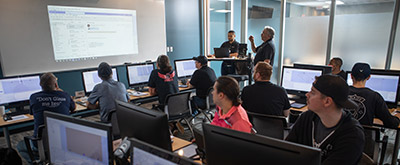
With a customized Stiles University course, we can provide expert training for your team, on-location. Whether it's programming, operation or maintenance, we want to help you train your personnel to meet your production goals efficiently and effectively.
-

Experience the trusted workforce development training and machinery knowledge you rely on from Stiles University, now at your convenience. With technology changing every day and new methods being developed constantly, Stiles University Online has the latest information and training content available at your fingertips.
-
-
-

Do you want to produce more efficiently? Processes and flows are key. We optimize these together with you, re-organize them and make sure that you reduce your lead time and save costs. This enables you to implement customized manufacturing and achieve your business goals.
-
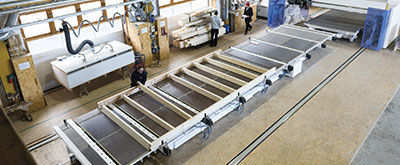
Industrialized construction is evolving. Automation, robotics and advanced technology are raising the level of productivity, efficiency and precision for builders in North America.
-
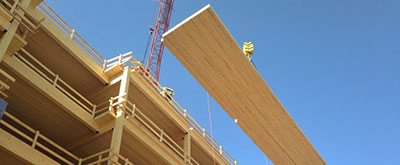
Stiles Machinery is at the forefront of providing technology and machining for producing high quality mass timber. Automated solutions for your mass timber production can increase your manufacturing quality and productivity.
-

Project management services from Stiles make it easy to streamline your entire project— from concept and consultation to integration and implementation.
-


-
-
-
-
-
-
With a customized Stiles University course, we can provide expert training for your team, on-location. Whether it's programming, operation or maintenance, we want to help you train your personnel to meet your production goals efficiently and effectively.
-
Experience the trusted workforce development training and machinery knowledge you rely on from Stiles University, now at your convenience. With technology changing every day and new methods being developed constantly, Stiles University Online has the latest information and training content available at your fingertips.
-
-
-
Do you want to produce more efficiently? Processes and flows are key. We optimize these together with you, re-organize them and make sure that you reduce your lead time and save costs. This enables you to implement customized manufacturing and achieve your business goals.
-
Industrialized construction is evolving. Automation, robotics and advanced technology are raising the level of productivity, efficiency and precision for builders in North America.
-
Stiles Machinery is at the forefront of providing technology and machining for producing high quality mass timber. Automated solutions for your mass timber production can increase your manufacturing quality and productivity.
-
Project management services from Stiles make it easy to streamline your entire project— from concept and consultation to integration and implementation.
-
What Are the Benefits of Carbide Wear Plates for Industry?
carbide wear plates are increasingly recognized in various industries for their superior durability. These plates offer significant benefits when it comes to protecting machinery and extending service life. The robust nature of carbide wear plates makes them ideal for high-impact and abrasive environments.
Industries face challenges with excessive wear and tear on equipment. This can lead to costly downtime and repairs. By integrating carbide wear plates, companies can mitigate these issues effectively. Their hardness allows them to withstand extreme conditions, making them a valuable investment.
However, it’s important to assess the specific needs of your operations before implementation. Not every situation may warrant the use of carbide wear plates. Taking the time to evaluate their advantages versus costs can lead to better decision-making. Understanding the nuances of these materials ensures that companies can optimize their use for maximum benefit.
Understanding Carbide Wear Plates and Their Composition
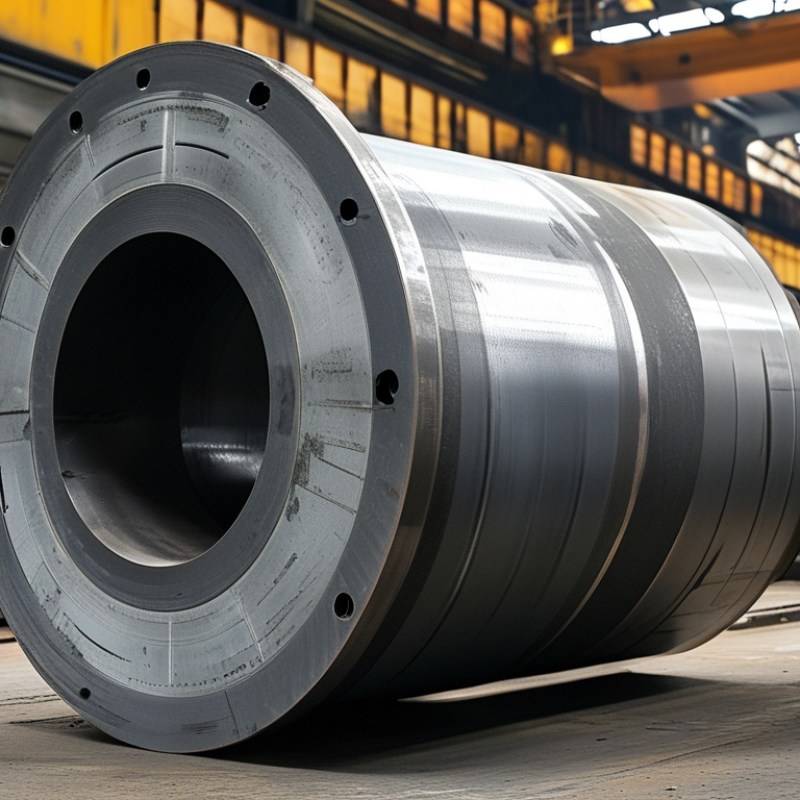
Carbide wear plates are essential components in various industrial applications. Their unique composition sets them apart from standard wear materials. These plates are typically made from tungsten carbide, a material known for its exceptional hardness. This hardness allows carbide wear plates to withstand extreme conditions, such as high heat and friction. Industries rely on these plates to extend equipment life and improve operational efficiency.
In production settings, carbide wear plates are often used in chutes, hoppers, and conveyor systems. Their ability to resist abrasion reduces the frequency of replacements, ultimately saving costs. However, one must consider the specific needs of each application. Carbide wear plates may not be suitable for every environment. Their effectiveness can be hindered by factors like temperature variations and chemical exposure. Understanding the precise requirements can lead to better performance.
In terms of installation and maintenance, proper handling is crucial. Despite their toughness, these plates can be brittle. Care should be taken during installation to prevent cracks or failures. Regular inspections help identify wear patterns and potential issues early on. This proactive approach can enhance the longevity of both the wear plates and the machinery.