
For support and service of your machinery, Stiles has experts available 24/7 to help reduce downtime and get you back in action.
Technical Support: 616-698-6615
Service & Repairs: 616-698-7500
24/7 Parts: 1-800-727-8780
sale@inlandmachineokc.com
Parts are available from Stiles 24 hours a day, seven days a week, and are shipped from our Grand Rapids, Michigan fulfillment center.
24/7 Parts: 800-727-8780

With a customized Stiles University course, we can provide expert training for your team, on-location. Whether it's programming, operation or maintenance, we want to help you train your personnel to meet your production goals efficiently and effectively.

Experience the trusted workforce development training and machinery knowledge you rely on from Stiles University, now at your convenience. With technology changing every day and new methods being developed constantly, Stiles University Online has the latest information and training content available at your fingertips.
616-698-7500

Do you want to produce more efficiently? Processes and flows are key. We optimize these together with you, re-organize them and make sure that you reduce your lead time and save costs. This enables you to implement customized manufacturing and achieve your business goals.

Industrialized construction is evolving. Automation, robotics and advanced technology are raising the level of productivity, efficiency and precision for builders in North America.

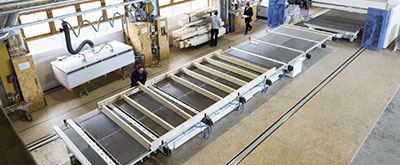
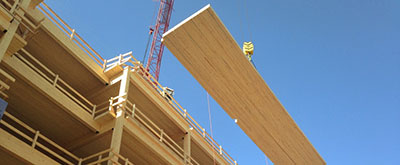
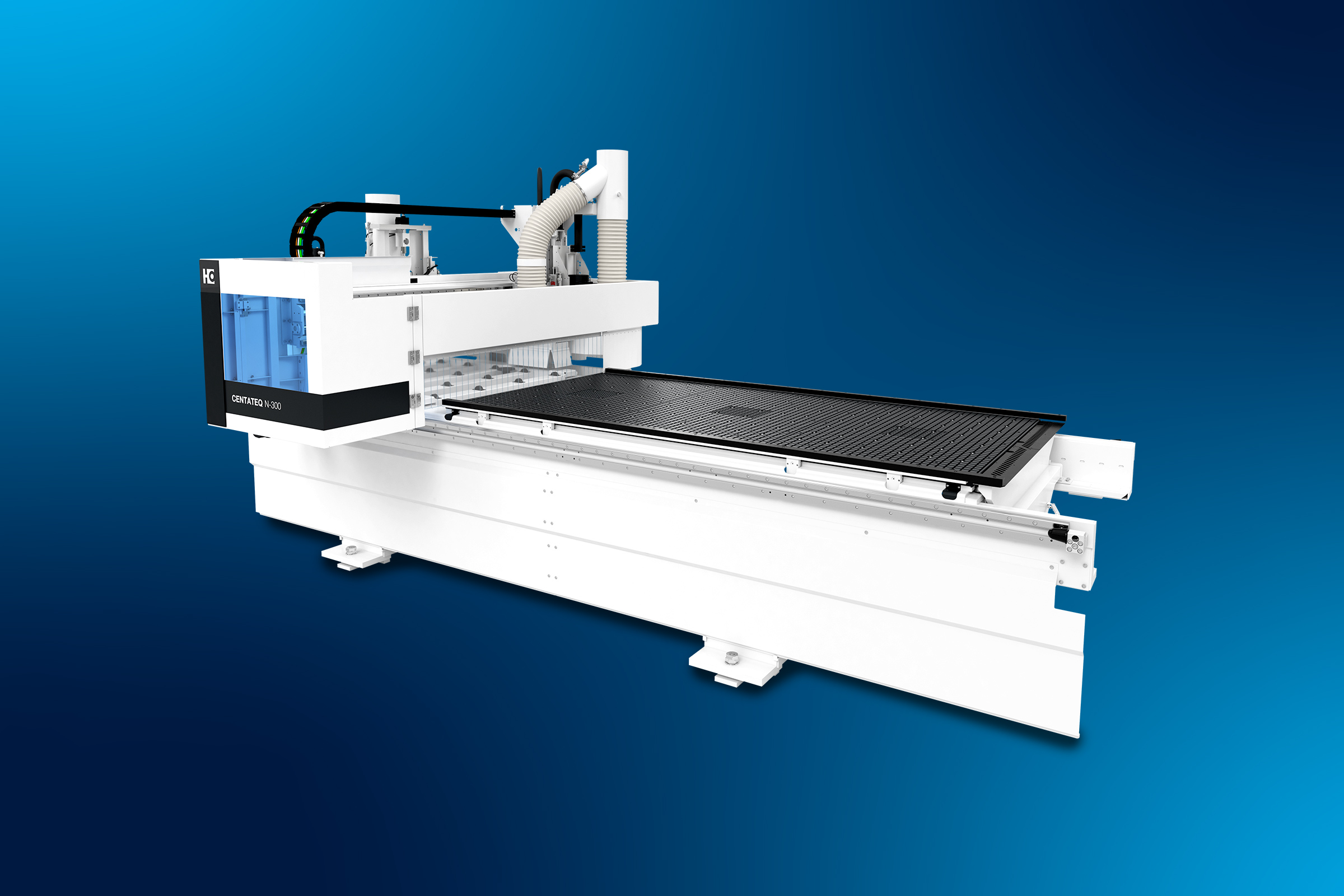
Stiles Machinery is at the forefront of providing technology and machining for producing high quality mass timber. Automated solutions for your mass timber production can increase your manufacturing quality and productivity.

Project management services from Stiles make it easy to streamline your entire project— from concept and consultation to integration and implementation.
For support and service of your machinery, Stiles has experts available 24/7 to help reduce downtime and get you back in action.
Technical Support: 616-698-6615 Service & Repairs: 616-698-7500 24/7 Parts: 1-800-727-8780
Parts are available from Stiles 24 hours a day, seven days a week, and are shipped from our Grand Rapids, Michigan fulfillment center.
24/7 Parts: 800-727-8780For support and service of your machinery, Stiles has experts available 24/7 to help reduce downtime and get you back in action.
Technical Support: 616-698-6615 Service & Repairs: 616-698-7500 24/7 Parts: 1-800-727-8780
Parts are available from Stiles 24 hours a day, seven days a week, and are shipped from our Grand Rapids, Michigan fulfillment center.
24/7 Parts: 800-727-8780An Air Door, often called an air curtain, creates a controlled stream of air across an open doorway. You may notice one above a grocery entrance, loading-bay door, or workshop opening. The moving air helps reduce drafts and the exchange of indoor and outdoor air while people and goods pass through. It does not form a solid barrier. Its performance depends on practical details: the doorway’s height, the unit’s position, airflow direction, and conditions on both sides.
A useful explanation should distinguish what an Air Door can do from what it cannot. It may help limit heat transfer, airborne dust, and flying insects, but results vary with installation and use. It is not a magic wall. A poorly matched unit can leave noticeable gaps, or send a strong draft toward people nearby. The name of a qualified industry expert and a verified quotation were not provided, so I will not invent an attribution. That matters: technical guidance is more trustworthy when readers can check its source. In the sections ahead, we will look at how the airflow is produced, what affects its reach, and which factors matter when selecting a system. The small details count. A doorway that looks simple can behave differently once wind, traffic, and indoor pressure enter the picture.

An air door, also called an air curtain, is a device that sends a controlled stream of air across an open doorway. A fan draws in room air, and a shaped outlet directs it downward or sideways. The moving air forms an invisible boundary between spaces. It is not a solid barrier. People, carts, and deliveries can pass through without opening or closing a physical door.
Air doors are commonly installed at shop entrances, loading bays, and service counters. They can help limit drafts and reduce the exchange of heated or cooled air, but results depend on doorway size, airflow direction, wind, and installation. The U.S. Energy Information Administration’s 2018 Commercial Buildings Energy Consumption Survey reports that U.S. commercial buildings used about 6.8 quadrillion Btu of energy. That figure is not an air-door savings estimate; it shows why controlling building energy use matters. For performance comparisons, look for ratings tested under AMCA Standard 220, which sets a method for measuring air-curtain airflow performance.
Tip: Match the unit’s airflow and mounting height to the opening. A weak or poorly aimed stream may leave gaps near the floor, while excessive airflow can feel like a cold gust. Check the doorway under real conditions; the neat showroom setup may not reflect a windy entrance.
What Is an Air Door and How Does It Work?
The Main Components of an Air Door System
An air door creates a directed stream of air across an open doorway. Its components work together to shape and maintain that stream. The blower is the power source. It draws in room air and pushes it through the unit. A motor drives the blower, while the casing supports and protects these moving parts.
The discharge nozzle, sometimes called an air outlet, guides the airflow toward the floor or across an opening. Its angle and width affect how evenly the air reaches the other side. A control panel lets an operator switch the system on or adjust its speed. Some units also use sensors, timers, or door switches to respond to changing conditions. Filters may be included to catch dust before air passes through the blower. Small detail, big effect.
Installation matters, too. A nozzle aimed poorly can leave gaps near the floor, even when the blower is powerful. Nearby fans, drafts, and doorway size can also change the air pattern. Diagrams make the setup look tidy; real buildings are less cooperative. Checking airflow at several points across the opening can reveal weak spots that are easy to miss by sight alone.
| Component | Main Function | How It Works | Practical Considerations |
|---|---|---|---|
| Fan or Blower | Moves air through the unit and supplies the airflow used to form the air curtain. | A motor-driven fan draws air into the unit and pushes it toward the discharge outlet. | Air volume and outlet velocity should suit the doorway height, width, and surrounding conditions. |
| Electric Motor | Provides the mechanical power that drives the fan. | The motor turns the fan wheel, producing airflow through the system. | Motor speed and capacity affect airflow, energy use, and operating noise. |
| Air Intake Grille | Provides an entry point for air drawn into the unit. | Room air passes through the grille before reaching the fan and internal components. | The intake should remain unobstructed; some designs include a removable filter for dust control. |
| Filter (Optional) | Captures some airborne dust and debris before air reaches internal components. | Air passes through the filter media as it enters the unit. | Not all air doors include a filter. A clogged filter can restrict airflow and should be cleaned or replaced as specified. |
| Plenum or Air Chamber | Distributes air across the length of the discharge outlet. | The chamber helps even out airflow before it exits through the nozzle. | Uniform distribution helps reduce weak spots along the doorway opening. |
| Discharge Nozzle | Shapes and directs the outgoing air stream. | The nozzle produces a directed jet of air, typically aimed downward across the doorway. | Correct aiming and adjustment help the air stream reach the floor or the opposite side of the opening. |
| Heating Element or Coil (Optional) | Warms the air stream in heated air-door models. | Electric elements or a hot-water coil transfer heat to the moving air before it is discharged. | Heating is optional; an air door can also operate without added heat. Heating capacity should match the application. |
| Controls and Speed Settings | Turn the unit on and adjust its operating mode or airflow level. | Controls regulate the motor and, in heated models, may also manage the heating function. | Settings are often adjusted to balance separation performance, comfort, and energy use. |
| Door Switch or Sensor (Optional) | Coordinates operation with doorway activity. | A switch or sensor can signal the unit to start, stop, or change settings when a door opens or closes. | Activation behavior depends on the control design and installation; not every system uses an automatic sensor. |
| Housing and Mounting Brackets | Enclose and support the unit above or beside the opening. | The housing holds the internal components, while the mounting system secures the unit in position. | Installation should follow the manufacturer’s clearance and mounting guidance to maintain safe, effective airflow. |
An air door creates an air barrier by sending a controlled stream of air across an open doorway. Inside the unit, a fan draws in room air and pushes it through a long, narrow outlet. The resulting sheet of moving air spans the entrance, like an invisible curtain. Think of it as a moving boundary. It can limit the exchange of indoor and outdoor air while people and carts pass through. It is not a solid seal. The air stream may also help reduce drafts, dust, and flying insects, depending on the setting and installation.
How well the barrier works depends on airflow direction, outlet design, doorway height, and surrounding conditions. A jet aimed poorly can curl away from the opening or feel uncomfortable to someone walking beneath it. Strong crosswinds and nearby Exhaust Fans can also disrupt the stream. In practice, the neat diagram is a little too neat. Real doorways have shifting pressure and uneven traffic. The barrier is never perfect. Careful sizing and adjustment help the air reach the floor without creating an unpleasant blast. An air door can support a building’s temperature control, but it does not replace a physical door or a properly designed ventilation system.
An air door, or air curtain, directs a high-speed stream of air across an opening. The jet acts as a barrier that can reduce air exchange while allowing people and equipment to pass through. This chart shows a simplified illustrative profile: speed is calculated from v = 10 ÷ (1 + d), where v is air speed in metres per second and d is distance from the outlet in metres. These are model values, not equipment measurements; actual airflow depends on the installation and surrounding conditions. An air door does not create an airtight seal.
Air doors, often called air curtains, form a fast-moving stream across an open doorway. The stream helps limit drafts, dust, insects, and heat exchange without blocking people or carts. Horizontal units usually mount above entrances; vertical models sit beside wider openings. Some recirculate indoor air, while others draw in outdoor air. Heated versions add comfort near cold entrances, but unheated units are often suitable for climate separation.
Their uses vary by setting. Retailers use them at busy entrances, where doors may stay open during deliveries. Warehouses and loading bays need models suited to tall openings and vehicle traffic. Food-service kitchens may use them between warm cooking areas and cooler storage rooms. Cold rooms need careful selection: a weak or poorly aimed air stream can still allow warm, moist air inside. Not perfect protection.
Performance matters. The U.S. Energy Information Administration’s 2018 Commercial Buildings Energy Consumption Survey reports that space heating accounts for about 32% of commercial building site energy use. This helps explain why controlling doorway heat loss can matter, though it does not predict savings from a particular air door. AMCA Standard 220-21 provides a test method for measuring air-curtain airflow performance. Buyers should compare tested airflow and installation conditions, not just motor power. A unit that looks powerful may perform poorly if the opening is too high or cross-drafts push its air stream aside.
An air door, or air curtain, creates a directed stream across an open doorway. It helps limit the exchange of indoor and outdoor air without blocking people or carts. Its real-world performance depends on more than fan power. Door height, nozzle angle, discharge velocity, and the pressure difference across the opening all matter. A strong cross-draft can bend the air stream, while a jet aimed too far inward may disturb occupants rather than seal the doorway.
The installation must suit the opening. ASHRAE Standard 90.1-2019 recognizes qualifying air curtains as an alternative to vestibules under specified conditions; the referenced benchmark is at least 2 m/s air velocity at 1.5 m above the floor, tested under ANSI/AMCA 220. That figure is not a guarantee of savings. AMCA 220-21 provides a standardized way to assess air-curtain performance, making test results more useful than comparing fan wattage alone. Field checks still matter: watch for gaps near the floor, uneven airflow, and drafts when nearby exhaust fans operate. A perfect-looking jet can still leak.
Tips: Measure the doorway and check cross-drafts before choosing equipment. After installation, use a smoke pencil or lightweight tissue to spot weak edges. Recheck after seasonal changes; heating or cooling settings can alter pressure and airflow. One detail is easy to miss: a quieter unit is not necessarily a better barrier.