

For support and service of your machinery, Stiles has experts available 24/7 to help reduce downtime and get you back in action.
Technical Support: 616-698-6615
Service & Repairs: 616-698-7500
24/7 Parts: 1-800-727-8780
sale@inlandmachineokc.com
Parts are available from Stiles 24 hours a day, seven days a week, and are shipped from our Grand Rapids, Michigan fulfillment center.
24/7 Parts: 800-727-8780

With a customized Stiles University course, we can provide expert training for your team, on-location. Whether it's programming, operation or maintenance, we want to help you train your personnel to meet your production goals efficiently and effectively.

Experience the trusted workforce development training and machinery knowledge you rely on from Stiles University, now at your convenience. With technology changing every day and new methods being developed constantly, Stiles University Online has the latest information and training content available at your fingertips.
616-698-7500

Do you want to produce more efficiently? Processes and flows are key. We optimize these together with you, re-organize them and make sure that you reduce your lead time and save costs. This enables you to implement customized manufacturing and achieve your business goals.

Industrialized construction is evolving. Automation, robotics and advanced technology are raising the level of productivity, efficiency and precision for builders in North America.

Stiles Machinery is at the forefront of providing technology and machining for producing high quality mass timber. Automated solutions for your mass timber production can increase your manufacturing quality and productivity.

Project management services from Stiles make it easy to streamline your entire project— from concept and consultation to integration and implementation.
For support and service of your machinery, Stiles has experts available 24/7 to help reduce downtime and get you back in action.
Technical Support: 616-698-6615
Service & Repairs: 616-698-7500
24/7 Parts: 1-800-727-8780
sale@inlandmachineokc.com
Parts are available from Stiles 24 hours a day, seven days a week, and are shipped from our Grand Rapids, Michigan fulfillment center.
24/7 Parts: 800-727-8780

With a customized Stiles University course, we can provide expert training for your team, on-location. Whether it's programming, operation or maintenance, we want to help you train your personnel to meet your production goals efficiently and effectively.

Experience the trusted workforce development training and machinery knowledge you rely on from Stiles University, now at your convenience. With technology changing every day and new methods being developed constantly, Stiles University Online has the latest information and training content available at your fingertips.
616-698-7500

Do you want to produce more efficiently? Processes and flows are key. We optimize these together with you, re-organize them and make sure that you reduce your lead time and save costs. This enables you to implement customized manufacturing and achieve your business goals.

Industrialized construction is evolving. Automation, robotics and advanced technology are raising the level of productivity, efficiency and precision for builders in North America.

Stiles Machinery is at the forefront of providing technology and machining for producing high quality mass timber. Automated solutions for your mass timber production can increase your manufacturing quality and productivity.

Project management services from Stiles make it easy to streamline your entire project— from concept and consultation to integration and implementation.
For support and service of your machinery, Stiles has experts available 24/7 to help reduce downtime and get you back in action.
Technical Support: 616-698-6615 Service & Repairs: 616-698-7500 24/7 Parts: 1-800-727-8780
Parts are available from Stiles 24 hours a day, seven days a week, and are shipped from our Grand Rapids, Michigan fulfillment center.
24/7 Parts: 800-727-8780For support and service of your machinery, Stiles has experts available 24/7 to help reduce downtime and get you back in action.
Technical Support: 616-698-6615 Service & Repairs: 616-698-7500 24/7 Parts: 1-800-727-8780
Parts are available from Stiles 24 hours a day, seven days a week, and are shipped from our Grand Rapids, Michigan fulfillment center.
24/7 Parts: 800-727-8780In today's competitive industry, optimizing lifting equipment is essential. jib crane hoists have gained attention for their unique advantages. Experts emphasize their efficiency and versatility. John Smith, a noted crane specialist, states, “Jib crane hoists offer unmatched mobility and precision for heavy lifting tasks.”
These hoists provide a flexible solution for various business needs. Businesses report increased productivity with easy maneuverability. The compact design allows them to fit in tight spaces, enhancing workflow. They can handle different loads with minimal adjustments, saving time and resources.
However, relying solely on jib crane hoists without considering safety can lead to challenges. Regular maintenance is crucial for reliability. Companies must train staff properly, ensuring they understand the equipment's limits. Exploring the strengths and weaknesses of jib crane hoists can lead to better decision-making for your operations.
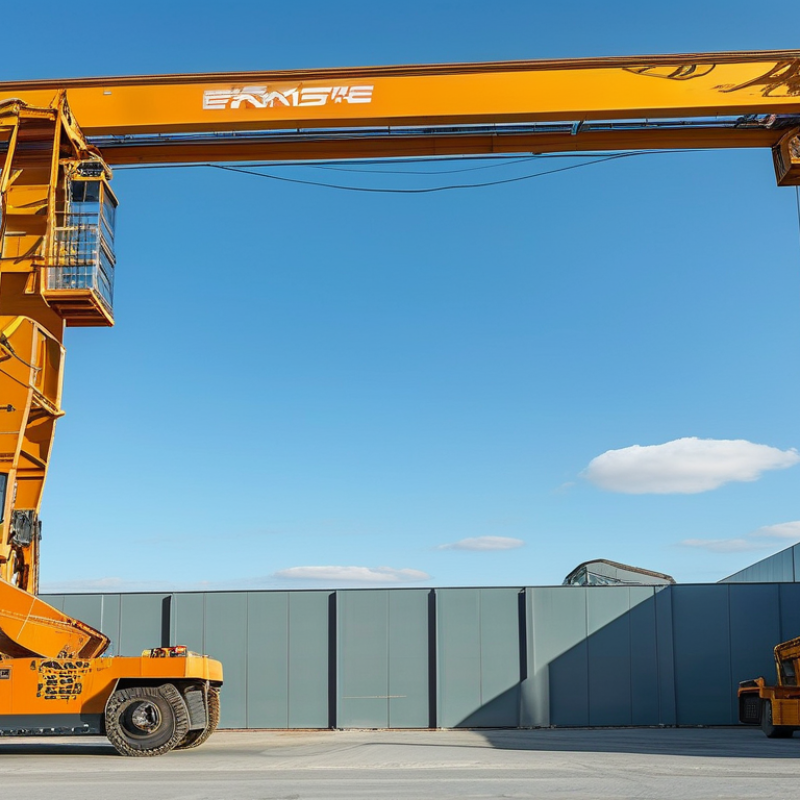
Jib crane hoists significantly enhance material handling efficiency in various industries. Studies indicate that implementing jib cranes can increase productivity by up to 30%. These cranes offer a flexible range of motion. Operators can easily move loads within a defined radius. This reduces the risk of injuries associated with heavy lifting.
Moreover, jib crane hoists are compact and require minimal floor space. Many facilities experience congestion as they utilize large equipment. Jib cranes help alleviate this issue by optimizing space. This is crucial for warehouses where every square foot counts. A report from the Material Handling Industry of America mentions a 20% reduction in operational costs when integrating jib cranes.
The versatility of jib cranes allows for seamless adaptation to different tasks. However, not all setups are perfect. Some facilities may struggle to find the right model to suit specific needs. Regular training for operators is also essential. This ensures that they are skilled in using the equipment efficiently. Failing to prioritize operator training can lead to safety hazards and decreased productivity.
When it comes to lifting heavy loads, jib crane hoists excel. Their design allows for greater load capacity compared to traditional cranes. This benefit is invaluable for businesses that need to handle bulky or heavy materials. Enhanced load capacity means maximizing operational efficiency. Time spent on lifting tasks reduces when equipment can handle more weight in fewer trips.
Understanding load limits is crucial. Each jib crane hoist has specific weight capacities that engineers specify. Exceeding these limits can lead to equipment failure and workplace accidents. Businesses must train operators on these critical aspects. Regular maintenance checks also ensure that the hoists function properly over time.
While enhanced load capacity is advantageous, it carries responsibilities. Organizations must create safety protocols based on their specific needs. They need to remain vigilant about proper usage to prevent mishaps. Moreover, weighing the benefits against potential risks is vital for any operating team. Balancing operational demands with safety guidelines is a challenge that requires constant attention.
| Advantage | Load Capacity (lbs) | Impact on Operations |
|---|---|---|
| Increased Lift Efficiency | 1,000 | Reduces lifting time, maximizing productivity. |
| Space Optimization | 1,500 | Utilizes vertical space effectively to free up floor area. |
| Versatile Applications | 2,000 | Suitable for various industries, enhancing flexibility. |
| Reduced Operator Fatigue | 2,500 | Eases manual handling, leading to safer work conditions. |
| Cost-Effective Solution | 3,000 | Lower maintenance costs and higher return on investment. |
| Enhanced Safety | 2,200 | Incorporates safety features to prevent accidents. |
| Improved Load Control | 1,800 | Facilitates precision in load placement and positioning. |
| Customizable Configurations | 4,000 | Adaptable to specific workplace layouts and needs. |
| Long Lifespan | 3,500 | Built with durable materials for extended service life. |
Jib cranes are revolutionizing workplace efficiency by significantly optimizing space. According to industry reports, businesses can recover up to 30% more usable floor space by incorporating jib crane hoists. Conventional lifting systems often occupy excessive floor area. This can lead to clutter and restricted movement. Jib cranes are designed to pivot, allowing operators to lift and move loads without requiring a lot of room.
In manufacturing settings, every square foot counts. Jib cranes can be installed in tight spaces, providing versatility. They can be used in corners or alongside walls, where traditional cranes can't reach. Studies show that companies that implemented jib cranes reported reduced overhead costs related to space and energy. This optimization leads to a more effective workflow, allowing teams to allocate resources better.
However, the effectiveness of jib cranes can depend on proper installation and training. Mistakes in setup can lead to inefficiencies. Additionally, if staff are not adequately trained, accidents may happen, posing safety risks. Investing time in proper usage and maintenance is crucial for maximizing benefits. Experts recommend regular assessments of jib crane systems to ensure they meet evolving business needs.
The implementation of jib crane hoists significantly enhances worker safety. These machines reduce manual lifting, which is a common cause of injuries in various industries. By minimizing physical strain, workers can focus more on their tasks. This leads to fewer accidents caused by fatigue or improper lifting techniques. In fact, industries that have adopted jib cranes often report a noticeable decline in injury rates.
Empirical data suggests that using jib crane hoists can cut injury occurrences by up to 30%. This reduction not only protects employees but also benefits the business in the long run. Fewer injuries mean lower costs related to worker compensation and medical expenses. Companies can invest their resources into growth rather than managing accidents. However, introducing any new system does come with challenges, like ensuring proper training for personnel. Without adequate training, even the best equipment can lead to mishaps.
It's crucial to regularly assess how machinery impacts employee well-being. Gathering feedback from workers helps identify potential issues. An ongoing commitment to safety and efficiency will ensure that jib crane hoists truly deliver on their promise of a safer workplace. Over time, businesses must reflect on and adapt their practices to maximize these advantages.
When it comes to improving the efficiency of your business, jib crane hoists play a significant role. They can help reduce labor costs directly. These cranes enable workers to lift heavy loads with ease, which means fewer employees are needed for the same tasks. As a result, businesses can redirect their resources toward more strategic initiatives.
Downtime can severely impact productivity. However, jib crane hoists minimize operational delays. Utilizing these hoists ensures fast and efficient load handling. This speed is especially critical in sectors like manufacturing and logistics. Employees can complete tasks quicker, keeping projects on schedule.
Tip: Regular maintenance of your jib crane hoist is essential. A well-maintained hoist reduces the chances of unexpected breakdowns, saving costs in the long run.
Investing in jib crane hoists also brings long-term savings. The initial cost may seem high, but the benefits outweigh this. Streamlined operations mean higher output and efficiency. That's a win for any business.
Tip: Train your staff on best practices for using jib cranes. Proper training maximizes safety and efficiency, minimizing on-the-job injuries.







