
-
-
-
-
-
-
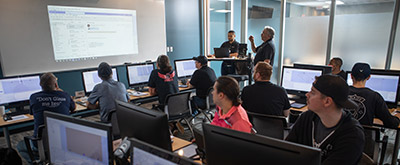
With a customized Stiles University course, we can provide expert training for your team, on-location. Whether it's programming, operation or maintenance, we want to help you train your personnel to meet your production goals efficiently and effectively.
-

Experience the trusted workforce development training and machinery knowledge you rely on from Stiles University, now at your convenience. With technology changing every day and new methods being developed constantly, Stiles University Online has the latest information and training content available at your fingertips.
-
-
-

Do you want to produce more efficiently? Processes and flows are key. We optimize these together with you, re-organize them and make sure that you reduce your lead time and save costs. This enables you to implement customized manufacturing and achieve your business goals.
-
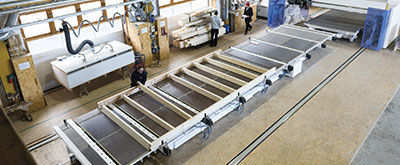
Industrialized construction is evolving. Automation, robotics and advanced technology are raising the level of productivity, efficiency and precision for builders in North America.
-
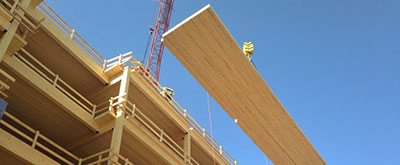
Stiles Machinery is at the forefront of providing technology and machining for producing high quality mass timber. Automated solutions for your mass timber production can increase your manufacturing quality and productivity.
-

Project management services from Stiles make it easy to streamline your entire project— from concept and consultation to integration and implementation.
-

-
-
-
-
-
-
With a customized Stiles University course, we can provide expert training for your team, on-location. Whether it's programming, operation or maintenance, we want to help you train your personnel to meet your production goals efficiently and effectively.
-
Experience the trusted workforce development training and machinery knowledge you rely on from Stiles University, now at your convenience. With technology changing every day and new methods being developed constantly, Stiles University Online has the latest information and training content available at your fingertips.
-
-
-
Do you want to produce more efficiently? Processes and flows are key. We optimize these together with you, re-organize them and make sure that you reduce your lead time and save costs. This enables you to implement customized manufacturing and achieve your business goals.
-
Industrialized construction is evolving. Automation, robotics and advanced technology are raising the level of productivity, efficiency and precision for builders in North America.
-
Stiles Machinery is at the forefront of providing technology and machining for producing high quality mass timber. Automated solutions for your mass timber production can increase your manufacturing quality and productivity.
-
Project management services from Stiles make it easy to streamline your entire project— from concept and consultation to integration and implementation.
-
2026 Top Industrial RFID Tablet Features and Buying Guide?
In the rapidly evolving world of industrial technology, the importance of an Industrial Rfid Tablet cannot be overstated. Experts like Dr. Emily Carter, a leading authority in RFID technology, emphasize, "The right tablet can transform data management in industrial settings." This statement highlights the critical role these devices play in enhancing efficiency and streamlining operations.
Industrial RFID Tablets are designed to withstand harsh environments while offering remarkable functionality. They combine durability with advanced RFID capabilities, allowing real-time tracking of assets. Imagine a ruggedized tablet operating in a warehouse, scanning items rapidly and providing immediate updates to inventory systems. Such features not only reduce manual errors but also optimize workflow.
As industries grow increasingly reliant on technology, choosing the right Industrial RFID Tablet becomes crucial. However, with numerous options available, it can be overwhelming. It's essential to consider factors such as battery life, software compatibility, and physical durability. Reflecting on these aspects can guide your decision-making and ensure your investment meets your operational needs effectively.

Key Features to Look for in Industrial RFID Tablets
When exploring industrial RFID tablets, it's essential to focus on key features. These devices should offer durability, as they often operate in harsh conditions. Look for tablets with rugged designs and robust exterior. This ensures they can withstand drops, spills, and dust.
Battery life is crucial. An optimal industrial RFID tablet should last a full work shift or longer. A short battery life can hinder productivity and lead to frequent charging interruptions. Believe it or not, many users overlook this detail, leading to frustration later.
Connectivity options also matter. A tablet should support various wireless protocols like Wi-Fi, Bluetooth, and even cellular connections. This versatility allows your device to integrate seamlessly into existing systems.
Tips: Always check reviews and user feedback. Real-life experiences can highlight features you might overlook. Don’t just rely on specifications; practicality counts. When in doubt, consider if the tablet feels comfortable in your hands. User experience can often be as important as technical capabilities.
2026 Top Industrial RFID Tablet Features and Buying Guide
| Feature | Description |
|---|---|
| Operating System | Android or Windows with support for latest apps and updates |
| Display Size | 10-12 inches for optimal usability in industrial settings |
| Battery Life | Minimum of 8 hours for extended usage without recharging |
| RFID Reading Range | Up to 10 meters for efficient and wide-ranging scanning |
| Durability Rating | IP65 or higher for resistance to dust and water |
| Drop Resistance | Survives drops from at least 1.5 meters onto concrete |
| Connectivity Options | Wi-Fi, Bluetooth, and optional Cellular capability |
| Memory and Storage | 4GB RAM and at least 64GB storage for multitasking |
| Camera Features | High-resolution camera for scanning and documentation |