
-
-
-
-
-
-

With a customized Stiles University course, we can provide expert training for your team, on-location. Whether it's programming, operation or maintenance, we want to help you train your personnel to meet your production goals efficiently and effectively.
-

Experience the trusted workforce development training and machinery knowledge you rely on from Stiles University, now at your convenience. With technology changing every day and new methods being developed constantly, Stiles University Online has the latest information and training content available at your fingertips.
-
-
-

Do you want to produce more efficiently? Processes and flows are key. We optimize these together with you, re-organize them and make sure that you reduce your lead time and save costs. This enables you to implement customized manufacturing and achieve your business goals.
-
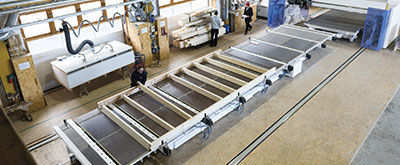
Industrialized construction is evolving. Automation, robotics and advanced technology are raising the level of productivity, efficiency and precision for builders in North America.
-

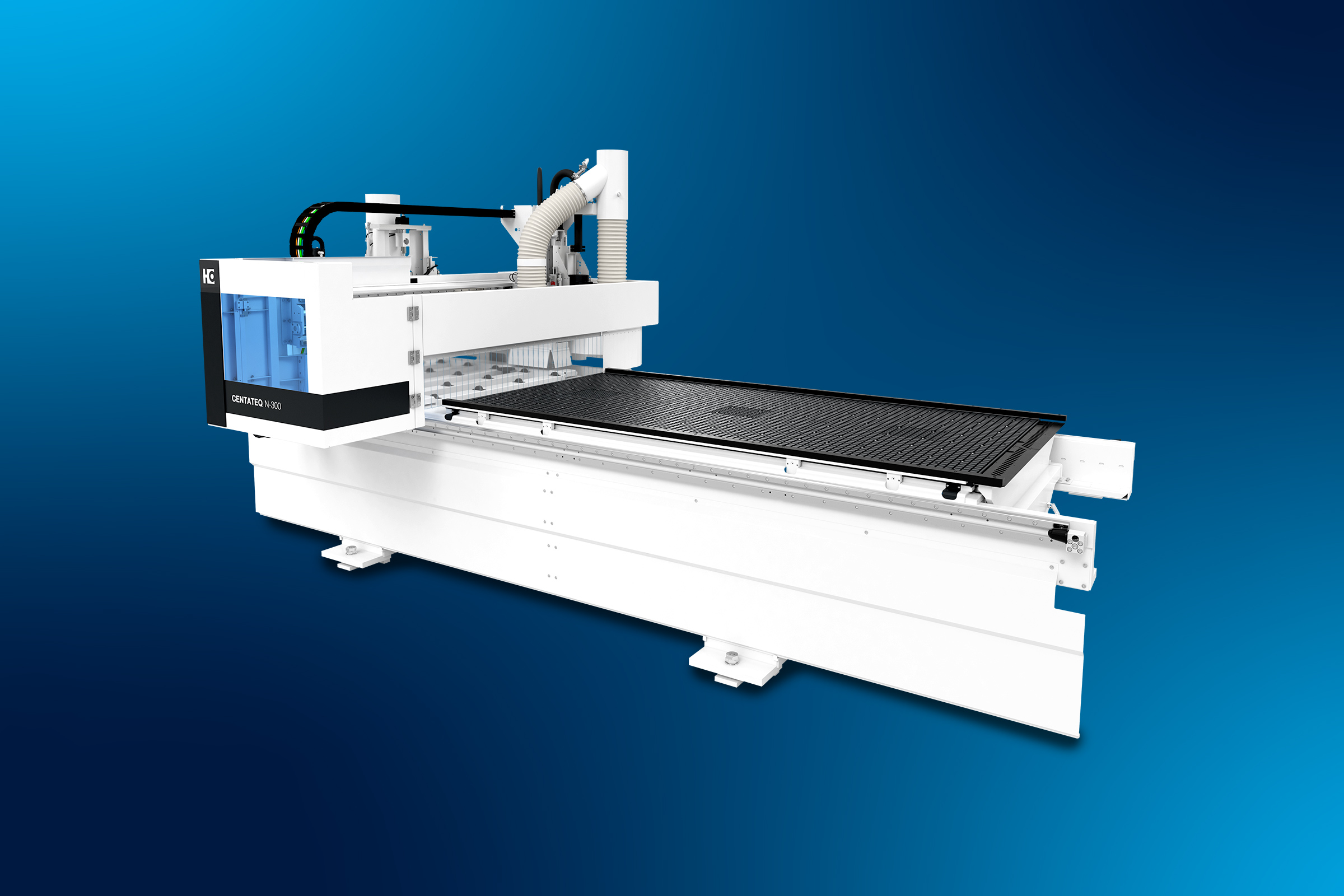
Stiles Machinery is at the forefront of providing technology and machining for producing high quality mass timber. Automated solutions for your mass timber production can increase your manufacturing quality and productivity.
-

Project management services from Stiles make it easy to streamline your entire project— from concept and consultation to integration and implementation.
-


-
-
-
-
-
-
With a customized Stiles University course, we can provide expert training for your team, on-location. Whether it's programming, operation or maintenance, we want to help you train your personnel to meet your production goals efficiently and effectively.
-
Experience the trusted workforce development training and machinery knowledge you rely on from Stiles University, now at your convenience. With technology changing every day and new methods being developed constantly, Stiles University Online has the latest information and training content available at your fingertips.
-
-
-
Do you want to produce more efficiently? Processes and flows are key. We optimize these together with you, re-organize them and make sure that you reduce your lead time and save costs. This enables you to implement customized manufacturing and achieve your business goals.
-
Industrialized construction is evolving. Automation, robotics and advanced technology are raising the level of productivity, efficiency and precision for builders in North America.
-
Stiles Machinery is at the forefront of providing technology and machining for producing high quality mass timber. Automated solutions for your mass timber production can increase your manufacturing quality and productivity.
-
Project management services from Stiles make it easy to streamline your entire project— from concept and consultation to integration and implementation.
-
What Are the 2026 Top Circulating Pump Types?
What Are the 2026 Top Circulating Pump Types? The answer depends on system design, operating hours, fluid temperature, and control strategy. Current market discussions commonly highlight wet-rotor circulators, ECM variable-speed pumps, dry-rotor in-line pumps, end-suction pumps, and canned-motor pumps. Each type solves a different engineering problem.
Energy efficiency remains the strongest driver. The International Energy Agency’s Energy Efficiency 2023 report states that buildings consume roughly 30% of global final energy. Heating, cooling, and water circulation contribute to this demand. The U.S. Department of Energy also emphasizes correct pump sizing, efficient motors, and demand-based control in its pumping-system guidance. These findings explain why ECM technology and variable-speed control are gaining attention for residential buildings, hotels, hospitals, and district heating networks. Small devices matter.
Professional pump studies, including reports from Grand View Research and MarketsandMarkets, generally identify HVAC, water supply, industrial processing, and renewable-energy systems as major demand sectors. However, their market boundaries differ. Comparisons can therefore become misleading. A compact wet-rotor Circulating Pump may be ideal for a quiet apartment heating loop, while a dry-rotor model may better serve a large commercial plant with continuous loads. Solar thermal systems may require high-temperature materials, careful air removal, and corrosion resistance. Canned-motor designs can reduce leakage risks, but maintenance access may be less convenient. No single ranking fits every building. The better question is practical: which pump delivers stable flow, acceptable energy use, reliable service, and measurable lifecycle value? That remains imperfect, but it is a stronger basis for evaluating the leading 2026 pump types.
What Is a Circulating Pump and How Does It Work?
What Are the 2026 Top Circulating Pump Types?
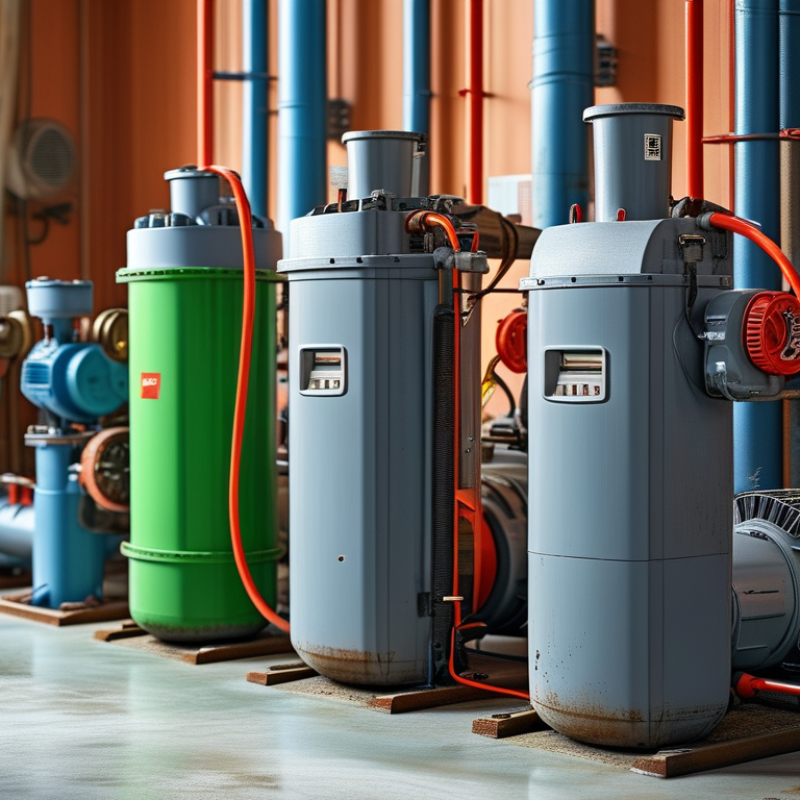
A circulating pump moves water through a closed loop. It keeps heat, cooling, or process fluid moving between equipment. In a hydronic heating system, the pump pushes warm water toward radiators or floor loops. Cooler water returns through another pipe. The pump repeats this cycle. Most modern units use a centrifugal impeller, which spins inside a compact casing. Pressure rises at the impeller’s edge. Flow then travels through the discharge port.
The main types include wet-rotor, dry-rotor, inline, and variable-speed pumps. Wet-rotor models place the rotor inside the pumped fluid. That design reduces noise and maintenance, but it may limit high-temperature or heavy-duty use. Dry-rotor pumps isolate the motor from water. They suit larger buildings and demanding circulation loads. Inline pumps fit directly into straight pipe runs. Variable-speed versions adjust output as valves open or close. That saves energy during partial demand.
The U.S. Department of Energy reports that pumping systems often offer 20% to 50% energy-saving opportunities after proper assessment. Control matters. A European Commission ecodesign requirement sets an Energy Efficiency Index limit of 0.23 for many standalone circulators. However, selecting the lowest-rated unit is not enough. Pipe resistance, air pockets, water quality, and incorrect sizing can ruin efficiency. Real systems are less tidy. A pump that is quiet in testing may vibrate beside a poorly supported pipe. That assumption can fail. Field commissioning still deserves more attention.
What Are the 2026 Top Circulating Pump Types? - What Is a Circulating Pump and How Does It Work?
| Pump Type | How It Works | Typical Applications | Typical Flow Range* | Typical Head Range* | Main Advantages | Important Limitations |
|---|---|---|---|---|---|---|
| Wet-Rotor Circulator | The pumped liquid cools and lubricates the motor bearings. The rotor and impeller operate inside the sealed pump chamber. | Domestic hot-water recirculation, hydronic heating, underfloor heating, and small cooling loops. | 0.1–25 m³/h | 1–12 m | Compact construction, low noise, no conventional shaft seal, and simple installation. | The pumped fluid must be clean enough for the bearing arrangement; generally less suitable for very high pressure or large industrial flow rates. |
| ECM Variable-Speed Circulator | An electronically commutated motor adjusts speed according to system demand, pressure, temperature, or an external control signal. | Modern heating systems, radiator circuits, heat pumps, solar thermal loops, and energy-conscious building services. | 0.1–30 m³/h | 1–15 m | Lower electrical consumption at part load, automatic control, reduced throttling losses, and improved system balancing. | Higher purchase cost and greater sensitivity to electrical quality, controls, and installation settings. |
| Dry-Rotor Inline Centrifugal Pump | A centrifugal impeller transfers energy to the fluid while the motor remains outside the pumped chamber. A mechanical shaft seal separates the motor shaft from the liquid. | Commercial HVAC, chilled-water systems, process cooling, district energy, and larger hydronic circuits. | 5–1,500 m³/h | 5–100 m | High efficiency at larger capacities, serviceable motor and seal, and suitability for continuous-duty operation. | Requires more installation space and maintenance than a small wet-rotor circulator; seal wear can cause leakage. |
| End-Suction Centrifugal Pump | Liquid enters axially through the impeller eye and exits radially after the rotating impeller increases fluid velocity and pressure. | General circulation, cooling-water systems, water treatment, irrigation, and industrial utility loops. | 5–2,000 m³/h | 10–160 m | Broad operating range, widely available configurations, and easy access for inspection and repair. | Usually needs a base or support structure, alignment checks, and adequate suction conditions to limit cavitation. |
| Vertical Multistage Centrifugal Pump | Several impellers are arranged in series. Each stage adds pressure, allowing high head from a relatively compact footprint. | High-rise building circulation, boiler feed, reverse-osmosis pretreatment, pressure boosting, and industrial cooling loops. | 1–300 m³/h | 20–300 m | High pressure capability, compact floor area, and efficient operation when selected near the design duty point. | More sensitive to dry running, poor water quality, and incorrect sizing; maintenance can be more involved. |
| Canned-Motor Circulation Pump | The motor rotor is enclosed within a pressure boundary, eliminating a traditional rotating shaft seal between the motor and the pumped fluid. | Sealed heating systems, hot-water service, chemical circulation, and applications where leakage prevention is important. | 0.1–150 m³/h | 3–120 m | Very low external leakage risk, compact sealed design, and suitability for certain hazardous or sensitive fluids. | The motor is cooled by the pumped fluid, so fluid compatibility, minimum flow, and operating temperature must be carefully checked. |
| Positive-Displacement Circulation Pump | A fixed volume of liquid is trapped and moved during each cycle. Flow is primarily related to displacement and speed rather than centrifugal velocity. | Viscous-fluid circulation, lubrication systems, metering, thermal-oil service, and low-flow high-pressure duties. | 0.01–100 m³/h | 10–300 m | Good low-flow performance, accurate delivery, and strong capability with viscous liquids. | Requires pressure-relief protection because flow cannot be freely blocked; pulsation, shear, and maintenance depend on the specific design. |
*Flow and head figures are generalized engineering ranges for comparison only. Actual performance depends on impeller diameter, motor speed, fluid temperature and viscosity, pipe resistance, control method, and the selected operating point.