
-
-
-
-
-
-

With a customized Stiles University course, we can provide expert training for your team, on-location. Whether it's programming, operation or maintenance, we want to help you train your personnel to meet your production goals efficiently and effectively.
-

Experience the trusted workforce development training and machinery knowledge you rely on from Stiles University, now at your convenience. With technology changing every day and new methods being developed constantly, Stiles University Online has the latest information and training content available at your fingertips.
-
-
-

Do you want to produce more efficiently? Processes and flows are key. We optimize these together with you, re-organize them and make sure that you reduce your lead time and save costs. This enables you to implement customized manufacturing and achieve your business goals.
-

Industrialized construction is evolving. Automation, robotics and advanced technology are raising the level of productivity, efficiency and precision for builders in North America.
-

Stiles Machinery is at the forefront of providing technology and machining for producing high quality mass timber. Automated solutions for your mass timber production can increase your manufacturing quality and productivity.
-

Project management services from Stiles make it easy to streamline your entire project— from concept and consultation to integration and implementation.
-



-
-
-
-
-
-
With a customized Stiles University course, we can provide expert training for your team, on-location. Whether it's programming, operation or maintenance, we want to help you train your personnel to meet your production goals efficiently and effectively.
-
Experience the trusted workforce development training and machinery knowledge you rely on from Stiles University, now at your convenience. With technology changing every day and new methods being developed constantly, Stiles University Online has the latest information and training content available at your fingertips.
-
-
-
Do you want to produce more efficiently? Processes and flows are key. We optimize these together with you, re-organize them and make sure that you reduce your lead time and save costs. This enables you to implement customized manufacturing and achieve your business goals.
-
Industrialized construction is evolving. Automation, robotics and advanced technology are raising the level of productivity, efficiency and precision for builders in North America.
-
Stiles Machinery is at the forefront of providing technology and machining for producing high quality mass timber. Automated solutions for your mass timber production can increase your manufacturing quality and productivity.
-
Project management services from Stiles make it easy to streamline your entire project— from concept and consultation to integration and implementation.
-
2026 Top Air Conditioning Machine Trends for Global Buyers?
The global landscape for Airconditioning Machines is rapidly evolving. In 2026, buyers will seek more than just basic cooling solutions. They aim for efficiency, sustainability, and advanced technology. According to the latest report from the International Energy Agency, the global air conditioning market is projected to grow by 24% over the next five years. This growth reflects rising temperatures and increasing demand for energy-efficient products.
Dr. Emily Chen, an expert in HVAC technologies, emphasized, "Innovation in air conditioning is key to addressing climate change." Her insights highlight the need for machines that not only cool spaces but also minimize environmental impact. Buyers must be aware of the shift toward smart technology. Many consumers prefer systems that integrate with home automation.
While the market offers exciting advancements, it also presents challenges. Not all new technologies prove reliable or cost-effective. Assessing the true value of an Airconditioning Machine requires thorough research. Buyers should remain cautious, balancing innovation with their specific needs and budget. Recognizing the right trends is essential for making informed decisions in a saturated market.
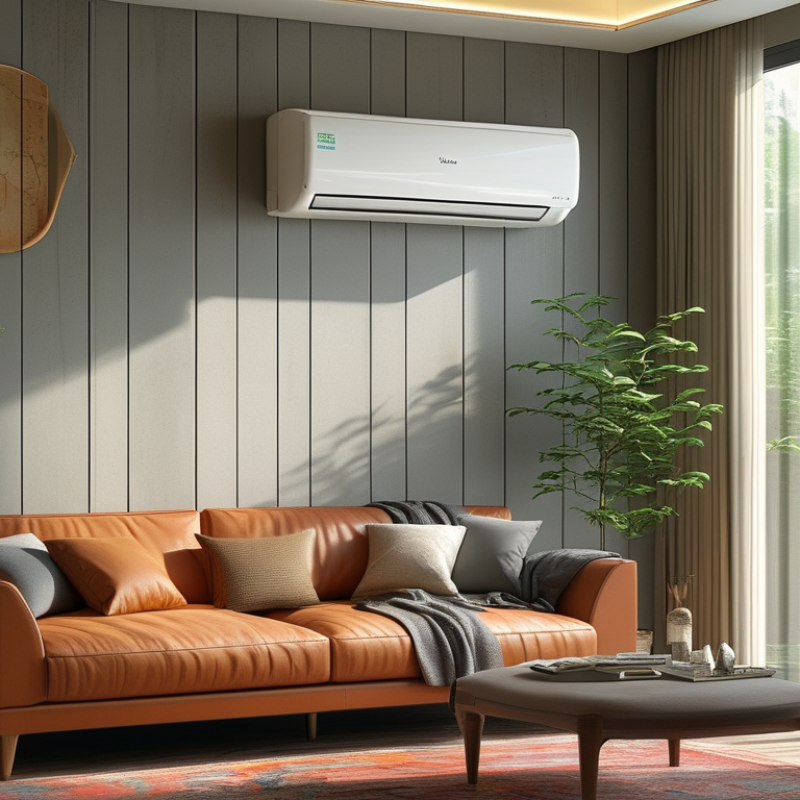
2026 Air Conditioning Machine Innovations and Technological Advances
The landscape of air conditioning machines is shifting rapidly due to technological advancements. In 2026, innovations are expected to make these machines more efficient and user-friendly. Smart technology integration is a key trend. IoT-enabled units can be controlled remotely, offering ease and comfort. This allows users to manage their home environment even while away.
Energy efficiency remains a priority. New systems will utilize advanced refrigerants with lower global warming potential. This could drastically reduce energy consumption and emissions. However, not all consumers are aware of how to maximize these features. The need for user education persists. If users fail to optimize settings, the potential benefits may be lost.
In addition, designs are becoming more compact and aesthetically pleasing. This means that air conditioning units can fit seamlessly into modern interiors. Yet, there is room for improvement. Manufacturers must balance performance with design without sacrificing efficiency. The challenge lies in ensuring that innovation leads to practicality, not just novelty.